
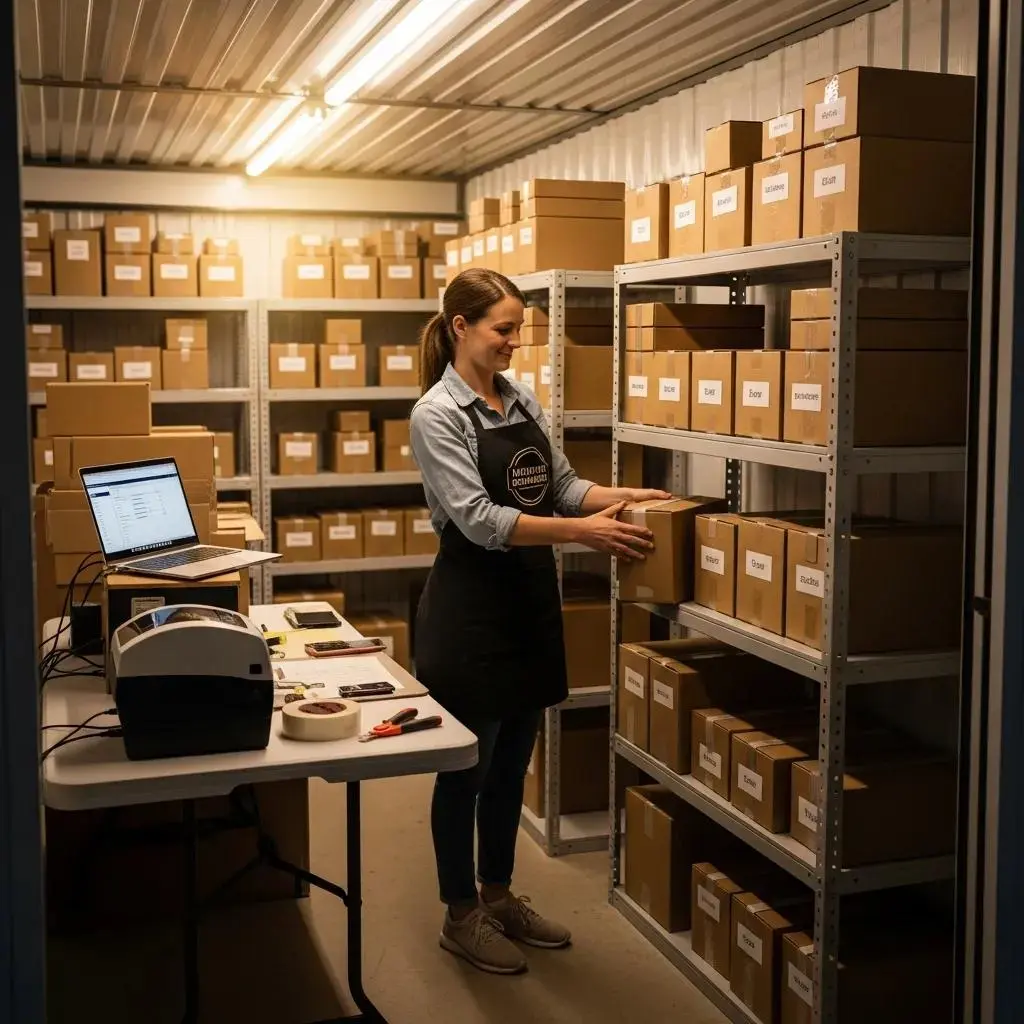
In the competitive landscape of small businesses, effective storage solutions can significantly impact growth and operational efficiency. As businesses expand, the need for flexible and affordable storage options becomes paramount.
In this article, we explore how self-storage can help small businesses scale by providing essential benefits such as cost-effectiveness, flexibility, and enhanced security.
Many small business owners face challenges in managing inventory and workspace, which can hinder growth. Self-storage offers a practical solution, allowing businesses to adapt to changing needs without the burden of long-term commitments.
What Are the Key Benefits of Affordable Business Storage Units?
Affordable business storage units provide several advantages that can help small businesses thrive. These benefits include cost-effectiveness, flexibility in rental agreements, and enhanced security features. By utilizing self-storage, businesses can save on overhead costs associated with traditional leasing, allowing them to allocate resources more effectively.
- Cost-Effectiveness: Self-storage units often come at a lower price point compared to traditional office or warehouse spaces, making them an attractive option for startups and small businesses.
- Flexibility: Many storage facilities offer month-to-month rental agreements, allowing businesses to scale their storage needs up or down as required.
- Security Features: Modern self-storage facilities are equipped with advanced security measures, ensuring that stored items are protected from theft and damage.
MIGHTY Self Storage, for instance, provides secure, flexible, and affordable self-storage units for businesses in Leicester and the surrounding area.
Flexible Self Storage Options to Adapt to Growing Business Needs
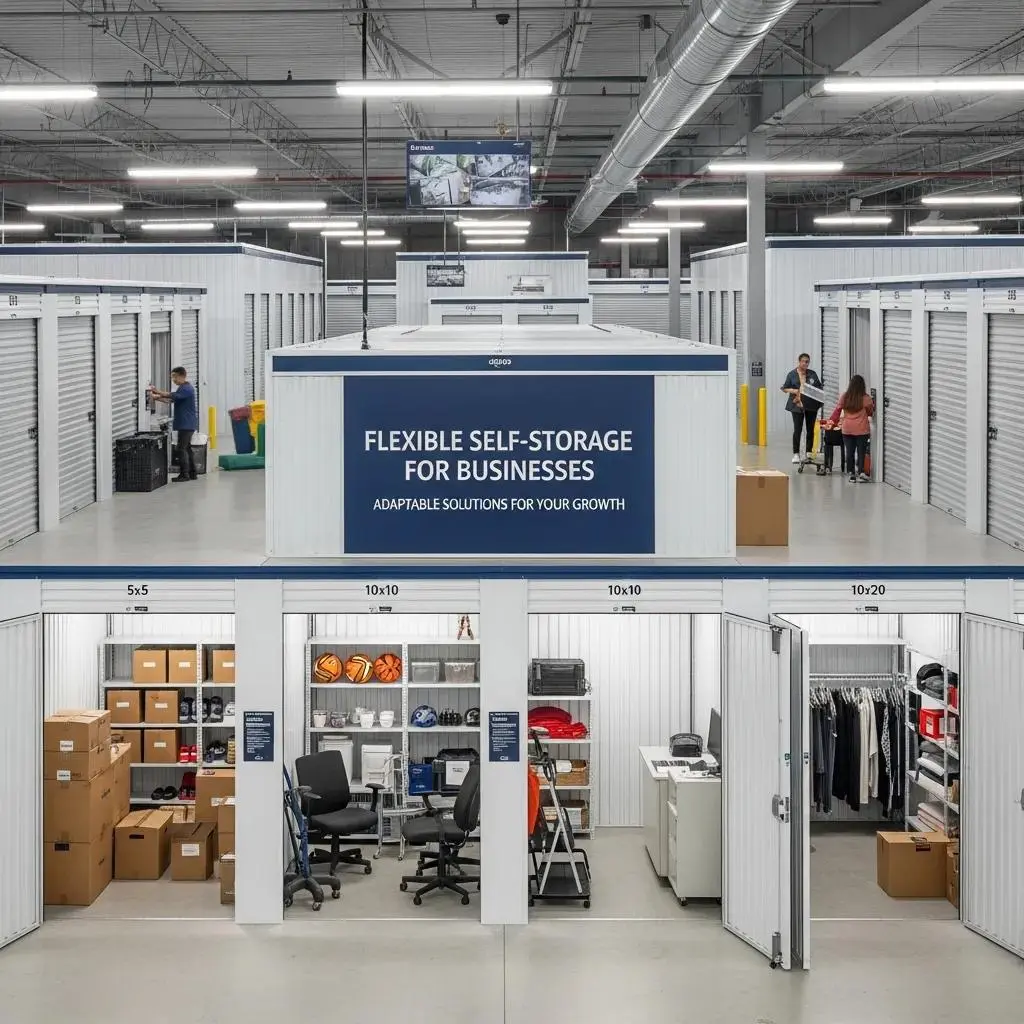
Flexible self-storage options are designed to meet the evolving demands of small businesses. As companies grow, their storage requirements may change, necessitating a solution that can adapt accordingly.
Flexible storage allows businesses to manage their space efficiently, accommodating seasonal inventory fluctuations and unexpected growth spurts. This adaptability is crucial for maintaining operational efficiency and ensuring that businesses can respond quickly to market changes.
For example, a retail business may require additional storage during peak seasons, while a startup might need to downsize as it refines its operations. Self-storage provides the necessary flexibility to navigate these changes without the constraints of long-term leases.
Ways to Improve Business Inventory Storage and Operational Efficiency

Business inventory storage plays a vital role in enhancing operational efficiency. By utilizing self-storage solutions, businesses can streamline their inventory management processes, leading to improved workspace organization and faster fulfillment times.
- Improved Workspace Organization: Storing excess inventory off-site allows businesses to maintain a clutter-free workspace, which can enhance productivity and employee morale.
- Faster Fulfillment Processes: With organized inventory storage, businesses can quickly access products, reducing the time it takes to fulfill customer orders.
- Better Inventory Control: Self-storage solutions can support better stock organisation, helping businesses avoid overstocking or stockouts.
By optimizing inventory storage, businesses can focus on their core operations and drive growth.
Which Security Features Ensure Safe Storage for Startups?
Security is a top concern for startups when it comes to storing valuable inventory and equipment. Self-storage facilities offer various security features that ensure the safety of stored items.
- 24/7 CCTV Surveillance: Continuous monitoring of the facility helps deter theft and provides peace of mind to business owners.
- Individually Alarmed Units: Each storage unit can be equipped with its own alarm system, adding an extra layer of security.
- Controlled facility access: Many facilities use entry codes and monitored access to help protect stored items.
These security measures are essential for startups that may not have the resources to invest in their own security systems.
Advanced Security Measures Protect Business Storage Units
In addition to standard security features, many self-storage facilities implement advanced measures to further protect business storage units. These measures include:
- Insurance Included: Some facilities include insurance in the rental agreement, giving business owners added protection.
- Secure Access Codes: Access to storage units is typically controlled through secure codes, ensuring that only authorized individuals can enter.
- Continuous Monitoring: Advanced monitoring systems can detect unusual activity and alert management immediately.
These advanced security features help businesses feel confident that their assets are safe and secure.
Secure Storage Contributes to Business Growth and Trust
Secure storage solutions contribute to business growth by fostering trust among customers and stakeholders. When businesses can better protect their inventory, they build a reputation for reliability and professionalism.
- Enhanced Security Measures: Implementing robust security features demonstrates a commitment to protecting assets, which can enhance customer trust.
- Cost-Effective Solutions: By utilizing affordable storage options, businesses can allocate funds to other growth initiatives, such as marketing and product development.
- Reputation Building: A business known for its reliability and security can attract more customers and retain existing ones.
Investing in secure storage is not just about protecting assets; it’s also about building a trustworthy brand.
How Can Businesses Choose the Right Storage Unit Size?
Choosing the right storage unit size is crucial for maximizing efficiency and minimizing costs. Businesses should consider several factors when selecting a storage unit:
- Current and Projected Inventory Needs: Assessing current inventory levels and forecasting future needs can help determine the appropriate unit size.
- Access Frequency Considerations: Businesses that require frequent access to their stored items may benefit from a larger unit that allows for easier organization.
- Cost-Effectiveness of Unit Size: It’s essential to balance the need for space with budget constraints, ensuring that businesses do not pay for more space than they need.
By carefully evaluating these factors, businesses can make informed decisions about their storage needs.
Factors Determining Appropriate Storage Space for Small Businesses
Several factors influence the appropriate storage space requirements for small businesses. Understanding these factors can help business owners make better decisions regarding their storage solutions.
- Types of Items to Be Stored: Different items may require different amounts of space and different packing methods.
- Duration of Storage Needs: Businesses should consider how long they will need storage, as this can impact the type of rental agreement they choose.
- Scalability Considerations: As businesses grow, their storage needs may change, so it’s essential to choose a solution that can adapt to future requirements.
By considering these factors, businesses can select storage solutions that align with their operational goals.
Flexible Rental Terms Enhance Storage Scalability
Flexible rental terms are a significant advantage of self-storage solutions, allowing businesses to scale their storage needs as required.
- Upsizing and Downsizing Options: Businesses can easily adjust their storage unit size based on changing inventory levels, ensuring they only pay for the space they need.
- Month-to-Month Agreements: Many facilities offer month-to-month rental agreements, providing businesses with the flexibility to adapt to market conditions.
- Seasonal Demand Management: Businesses can increase their storage capacity during peak seasons and reduce it during slower periods, optimizing costs.
This flexibility is crucial for small businesses that need to remain agile in a dynamic market.
What Are Real Business Use Cases Demonstrating Storage Benefits?
Real-world examples illustrate how businesses have successfully leveraged self-storage solutions to enhance their operations.
- E-commerce Business Storage Needs: Many e-commerce businesses utilize self-storage to manage inventory without the overhead of a traditional warehouse.
- Retail Inventory Management: Retailers often use self-storage to store seasonal inventory, allowing them to maintain a clutter-free sales floor.
- Startups Utilizing Storage: Startups frequently rely on self-storage to manage equipment and supplies without committing to long-term leases.
These use cases highlight the versatility and practicality of self-storage for various business models.
Startups Leverage Self-Storage for Cost-Effective Growth
Startups have found self-storage to be a valuable resource for managing costs while scaling their operations.
- Managing Inventory Without Long-Term Leases: Self-storage allows startups to store inventory without the financial burden of long-term leases, enabling them to allocate funds to other critical areas.
- Convenient Access and Security: Many self-storage facilities offer regular access during opening hours, allowing startups to retrieve items as needed.
- Temporary Workspace Utilization: Startups can use self-storage to support projects by keeping stock, tools, or supplies organised.
By leveraging self-storage, startups can focus on growth without the constraints of traditional storage solutions
Industry Statistics Highlight Trends in Business Storage Needs
Recent industry trends suggest growing demand for flexible storage solutions.
Indeed, the self-storage sector continues to play an important role for businesses that need flexible space.
- Growth in Self-Storage Space: More businesses are using off-site storage to manage stock and free up working space.
- Demand for Flexible Storage: Businesses are increasingly seeking flexible storage options that can adapt to their changing needs.
- Cost-Effectiveness of Self-Storage: Self-storage can help businesses reduce costs compared to traditional leasing options.
These trends highlight the importance of self-storage in supporting the growth and efficiency of small businesses.
What Mighty Self Storage Offers
At Mighty Self Storage, we understand the unique challenges small businesses face when it comes to managing inventory and workspace. We are committed to providing secure, flexible, and affordable self-storage solutions tailored specifically to meet the evolving needs of businesses in Leicestershire, UK, and beyond.
We offer a variety of unit sizes and flexible rental terms, including month-to-month agreements, so you can easily scale your storage space as your business grows or adapts to seasonal demands. Our state-of-the-art security features, such as 24/7 CCTV surveillance, individually alarmed units, and on-site security personnel, ensure that your valuable assets are protected around the clock.
Our team at Mighty Self Storage is dedicated to helping you optimize your operational efficiency by providing organized and accessible storage options.
Whether you are a startup looking to minimize overhead costs or an established retailer managing seasonal inventory, we work with you to find the right storage solution that fits your budget and business goals.
Frequently Asked Questions
What types of businesses benefit most from self-storage solutions?
Self-storage solutions are particularly beneficial for e-commerce businesses, retailers, and startups. E-commerce companies often require flexible inventory management without the overhead of a traditional warehouse. Retailers can use self-storage to manage seasonal inventory, ensuring a clutter-free sales floor. Startups benefit from the cost-effectiveness and flexibility of self-storage, allowing them to store equipment and supplies without long-term commitments. Overall, any business that experiences fluctuating inventory needs can find value in self-storage options.
How can self-storage help with seasonal inventory management?
Self-storage provides an effective solution for businesses that experience seasonal fluctuations in inventory. During peak seasons, businesses can rent larger storage units to accommodate increased stock levels, while downsizing during off-peak times to save costs. This flexibility allows businesses to manage their inventory efficiently without the burden of long-term leases. By utilizing self-storage, companies can ensure they have the necessary space to meet customer demand while maintaining a clutter-free operational environment.
What are the cost implications of using self-storage for small businesses?
Using self-storage can significantly reduce overhead costs for small businesses. Unlike traditional leasing, which often requires long-term commitments and higher monthly payments, self-storage offers flexible month-to-month rental agreements. This allows businesses to pay only for the space they need, adjusting as their inventory requirements change. Additionally, the savings from reduced rent can be redirected towards other critical areas, such as marketing or product development, ultimately supporting business growth.
How does self-storage enhance customer satisfaction for businesses?
Self-storage enhances customer satisfaction by enabling businesses to fulfill orders more efficiently. With organized inventory stored off-site, businesses can quickly access products, leading to faster order processing and delivery times. This efficiency not only improves the customer experience but also helps businesses maintain a positive reputation. Furthermore, the ability to manage inventory effectively ensures that businesses can meet customer demand without delays, fostering trust and loyalty among their clientele.