
Choosing the right size storage unit for a two-bedroom house can be a daunting task, especially when considering the variety of items that need to be stored. Today, this guide will help you understand the dimensions and capacities of different storage units, ensuring you select the most suitable option for your needs.
By the end of this article, you will have a clear understanding of how to assess your storage requirements and the best practices for packing your belongings efficiently.
Which Storage Unit Sizes Best Fit a 2 Bedroom House?
When it comes to storing the contents of a two-bedroom house, selecting the appropriate storage unit size is crucial.
The most common sizes for this purpose are 100 sq ft (often marketed as 10×10) and 150 sq ft (often marketed as 10×15) units, which can accommodate a range of household items. Understanding the dimensions and capacities of these units will help you make an informed decision.
| Storage Unit Size | Capacity | Typical Contents |
|---|---|---|
| 5×5 | 25 sq ft | Small boxes, seasonal items |
| 10×10 | 100 sq ft | Furniture from one bedroom, appliances, and boxes |
| 10×15 | 150 sq ft | Furniture from two bedrooms, larger appliances, and multiple boxes |
A 10×10 unit is often enough for a one-bedroom home. A 10×15 unit may suit a two-bedroom house, depending on furniture size and box count.
Common Storage Unit Dimensions and Capacities
Common storage unit sizes vary significantly in dimensions and capacities. A 5×5 unit, for example, offers 25 square feet of space, often ideal for small items like boxes and seasonal decorations.
In contrast, a 10×10 unit provides 100 square feet, often accommodating the contents of a one-bedroom apartment, including a bed, dresser, and several boxes. The 10×15 unit, with 150 square feet, often works well for a two-bedroom house, allowing for larger furniture and more boxes.
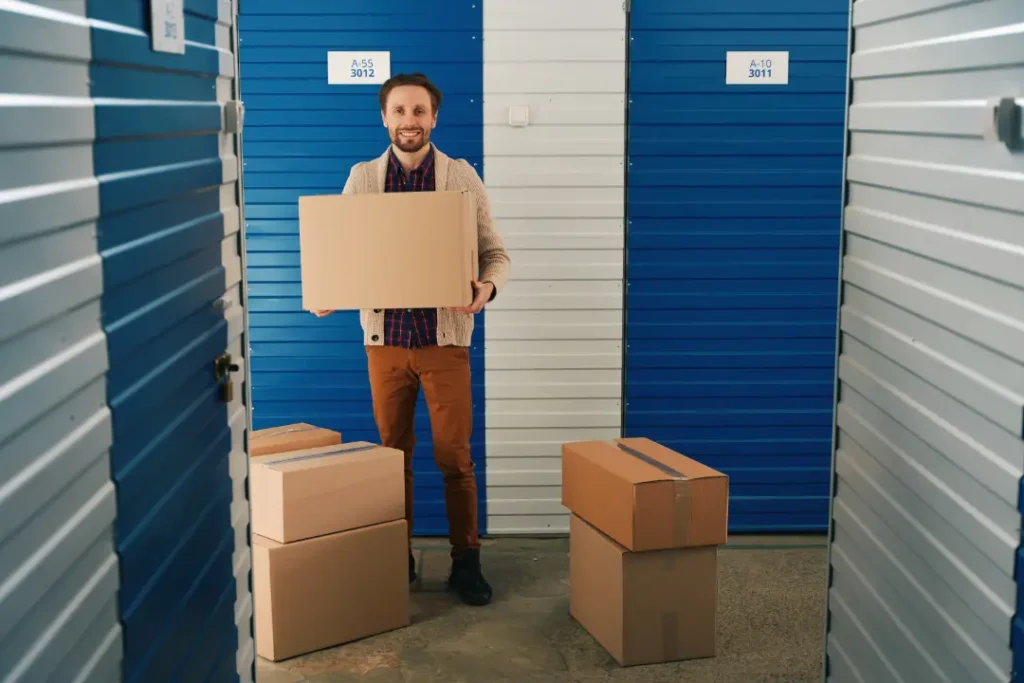
10×10 and 10×15 Unit Storage Capacity
A 10×10 storage unit can typically hold the following items:
- A queen-size mattress and box spring
- A sofa or loveseat
- A dining table with chairs
- Several boxes and small appliances
On the other hand, a 10×15 unit can accommodate:
- A king-size mattress and box spring
- A full living room set
- A larger dining table
- Multiple boxes and larger appliances, like a refrigerator or washer/dryer
Understanding the capacity of these units helps in planning what to store and how to maximize the available space.
How to Create an Inventory Checklist for a 2 Bedroom Home?
Creating an inventory checklist is essential for organizing your move and ensuring that nothing is left behind. This checklist should categorize items by room and include all essential furniture and household items.
Household Items and Furniture to Include
When creating your inventory checklist, consider including the following categories:
- Living Room: Sofa, chairs, coffee table, entertainment center
- Bedroom: Beds, dressers, nightstands, lamps
- Kitchen: Appliances, cookware, dishes, utensils
- Miscellaneous: Seasonal items, decorations, and personal belongings
This structured approach will help you keep track of your items and ensure that everything is accounted for during the moving process.
How Inventory Volume Affects Storage Unit Size Selection
The volume of your inventory directly impacts the size of the storage unit you will need. To estimate the total volume, consider the dimensions of your larger items and the number of boxes you plan to store. If you have a lot of furniture and several boxes, you may need more space. A 150 sq ft unit (often 10×15) can be a better fit.
What Are the Best Packing and Space Optimization Tips for Storage Units?
Packing efficiently can significantly enhance the usability of your storage unit. By employing effective packing techniques, you can maximize the available space and protect your belongings.
Maximizing Storage Capacity with Packing Techniques
To optimize your storage unit, consider the following packing techniques:
- Use Uniform Boxes: Stacking boxes of the same size makes it easier to maximize vertical space.
- Disassemble Furniture: Take apart larger items like beds and tables to save space.
- Utilize Vertical Space: Store items vertically by stacking boxes and using shelves.
These strategies will help you make the most of your storage unit while keeping your items organized and accessible.
Best Packing Materials and Layouts for Furniture and Boxes
Using the right packing materials is crucial for protecting your belongings. Consider the following materials:
- Bubble Wrap: Ideal for fragile items to prevent breakage.
- Packing Tape: Ensure boxes are securely sealed.
- Furniture Covers: Protect larger items from dust and scratches.
When arranging your storage unit, place heavier items on the bottom and lighter boxes on top to maintain stability.
Choosing Climate-Controlled or Standard Storage Units
Deciding between climate-controlled and standard storage units depends on the nature of your belongings. Climate-controlled units help maintain a consistent temperature and humidity level, making them suitable for sensitive items.
Benefits of Climate-Controlled Storage for Household Items
Climate-controlled storage offers several advantages:
- Protection from Temperature Extremes: Ideal for items like wood furniture and electronics that can warp or degrade in extreme conditions.
- Humidity Control: Helps prevent mold and mildew growth on sensitive items.
- Long-Term Storage: Provides peace of mind for long-term storage of valuable items.
These benefits make climate-controlled units a wise choice for those storing delicate or valuable belongings.
How Security Level Impacts Storage Unit Selection
Security is another critical factor when selecting a storage unit. Higher security levels often come with features such as gated access, surveillance cameras, and individual alarms. Choosing a facility with robust security measures can provide peace of mind, especially for valuable items.
What Are the Cost and Rental Duration Considerations for Storage Units?
Understanding the costs associated with storage units is essential for budgeting your move. Prices can vary based on size, location, and additional features.

How Rental Prices Vary by Unit Size and Features
Rental prices vary by facility, unit size, and features, so it’s best to request a quote for current rates:
- 5×5 Unit: Pricing varies; request a quote for current rates
- 10×10 Unit: Pricing varies; request a quote for current rates
- 10×15 Unit: Pricing varies, request a quote for current rates
Pricing varies by location, unit size, and features such as climate control and security.
Typical Rental Duration for a 2 Bedroom House Storage
Most storage facilities offer flexible rental durations, with options for month-to-month leases or longer-term contracts. For a two-bedroom house, many people rent for a few months, but the right duration depends on your moving timeline.
Why Choose Mighty Self Storage?
Mighty Self Storage provides self-storage in South Wigston, Leicester. It offers unit sizes from 13 to 150 sq ft for domestic and business use. Whether you’re moving, downsizing, or need extra space, the facility offers multiple unit sizes.
Units go up to 150 sq ft, which may suit many two-bedroom homes. With climate-controlled options, individually alarmed rooms, and 24/7 internal CCTV, Mighty Self Storage focuses on secure storage. Facility access is available during posted opening hours, seven days a week.
Our friendly and knowledgeable staff are here to assist you in selecting the right storage unit size and offer practical packing and space optimization advice. Contact Mighty Self Storage to request a quote and discuss the right unit size for your move.
2 Bedroom Storage Size Guide Recap
Choosing the right storage unit for your two-bedroom house can simplify your moving process and provide peace of mind. Understanding the dimensions and capacities of various units helps you plan so your belongings are stored safely and efficiently.
For a seamless storage experience, consider exploring available unit sizes and features that fit your needs. If you’re in Leicester, contact Mighty Self Storage to request a quote and choose a unit that fits your household items.
Frequently Asked Questions
What Items Should I Avoid Storing In A Storage Unit?
When using a storage unit, it’s important to avoid storing perishable items, hazardous materials, and live plants. Perishable goods can spoil and attract pests, while hazardous materials like chemicals, propane tanks, and flammable items pose safety risks.
Additionally, live plants may not survive without proper care and light. Always check with your storage facility for a complete list of prohibited items to ensure compliance and safety.
How Can I Ensure My Belongings Are Safe In A Storage Unit?
To enhance the safety of your belongings in a storage unit, choose a facility with robust security features such as surveillance cameras, gated access, and individual alarms.
Additionally, consider using high-quality locks for your unit and keeping an inventory of stored items. Regularly visiting your unit can also help you monitor the condition of your belongings and address any potential issues promptly.
What Is The Best Way To Label Boxes For Storage?
Labeling boxes effectively can streamline the retrieval process. Use a clear, bold marker to write the contents of each box on multiple sides. Consider color-coding labels by room or category for quick identification.
Additionally, creating a master inventory list that corresponds to the box numbers can help you locate items easily without having to open every box. This organized approach saves time and reduces stress when accessing your stored items.
Can I Access My Storage Unit At Any Time?
Access to your storage unit typically depends on the facility’s policies. Many self-storage facilities offer extended access, while others may have specific hours for entry.
It’s essential to check the access hours when selecting a storage unit, especially if you anticipate needing to retrieve items outside of regular business hours. Understanding these policies can help you plan your visits accordingly.