
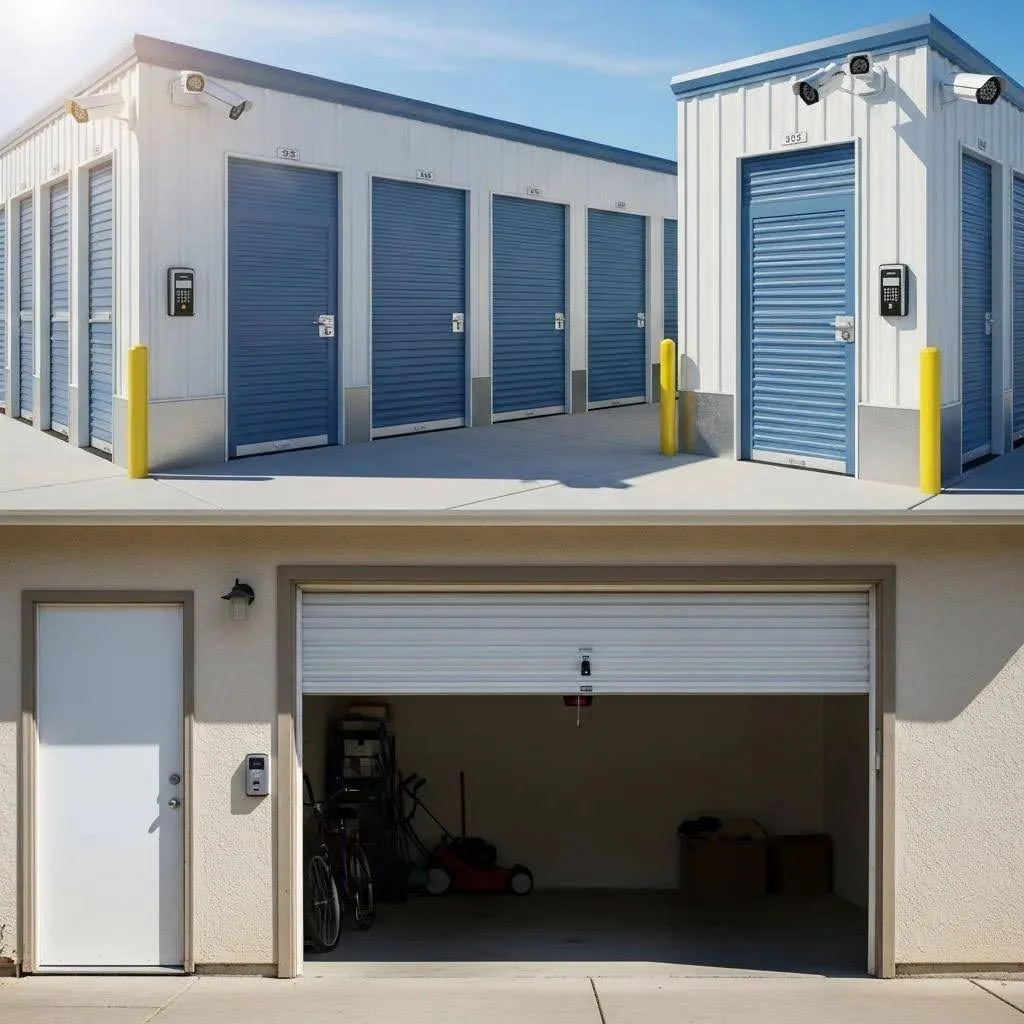
When it comes to storing your belongings, the choice between self-storage and garage storage can significantly impact the safety and accessibility of your items.
Today, this article will explore the key differences between these two storage options, focusing on security features, cost implications, and how a dedicated self-storage facility, such as MIGHTY Self Storage, may compare.
Many individuals and families face challenges in finding a secure and affordable solution for their storage needs. Understanding the strengths and weaknesses of each option can help you make an informed decision.
How Can You Compare Security Features Between Self Storage Units and Garages?
Self-storage units are often built with stronger security features, such as CCTV and controlled access. This level of security is crucial for protecting valuable items.
In contrast, garages typically lack these advanced measures, relying instead on basic locks that may not deter determined intruders. The effectiveness of security features varies widely, making self-storage a more reliable option for safeguarding your belongings.
Security Measures Provided by MIGHTY Self Storage
MIGHTY Self Storage offers multiple security measures to help protect your belongings. These include 24/7 internal CCTV, individually alarmed rooms, and facility access by personal entry code during opening hours.
These features work together to provide a secure environment that protects your items from theft and unauthorized access.
Common Security Limitations of Garage Storage
Garage storage presents several security limitations that can jeopardize the safety of your items. Common issues include:
- Basic Locks: Many garages use simple locks that are easily bypassed.
- Vulnerability to Theft: Without monitoring, garages are prime targets for theft and vandalism.
- Lack of Control: Homeowners may not have the ability to monitor their garage’s security effectively.
These limitations highlight the risks associated with using a garage for storage compared to a dedicated self-storage facility.
What Should You Know About the Cost Differences Between Self Storage and Garage Storage?
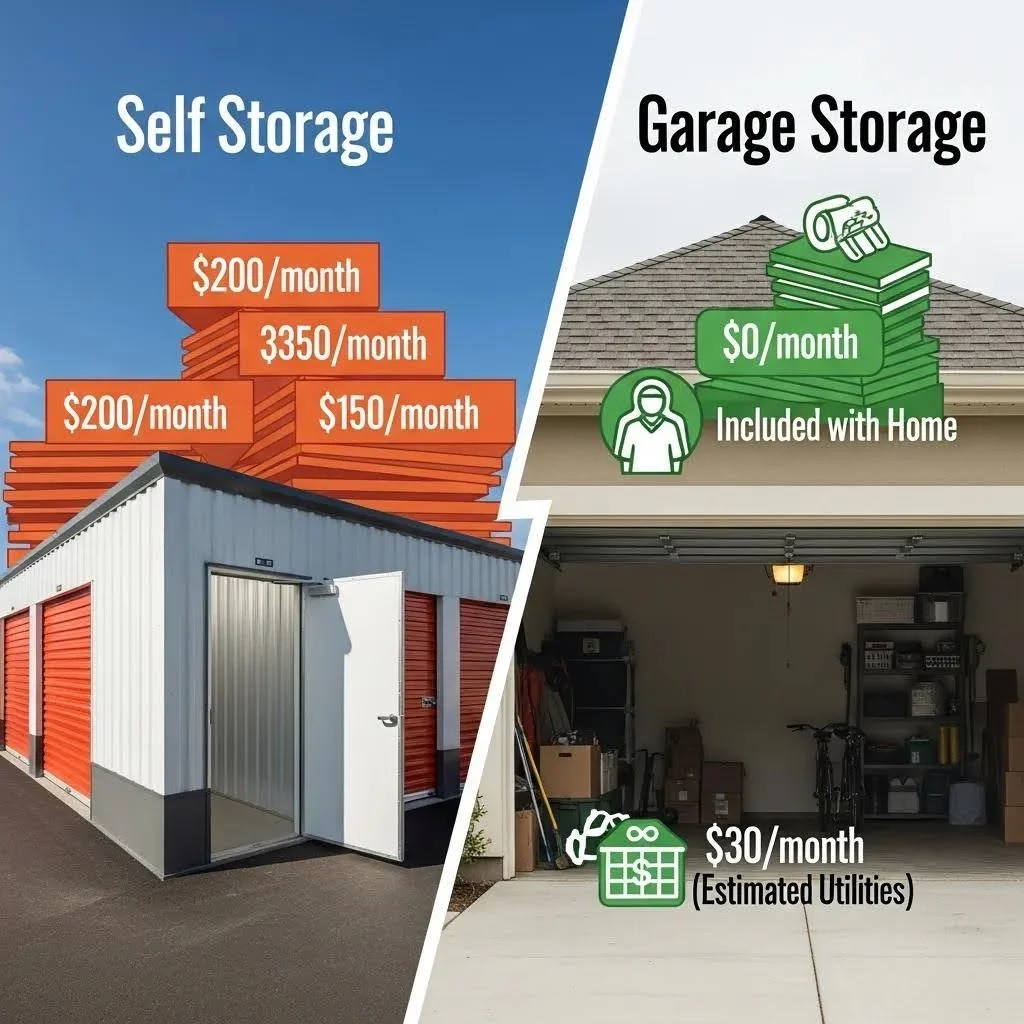
The cost implications of self-storage versus garage storage can be significant. Self-storage facilities often charge higher monthly fees, but these costs reflect the added security and convenience they provide.
Garages may seem like a budget-friendly option, but hidden costs, such as potential damage to items and possible gaps in insurance coverage, can add up over time. Understanding these differences is essential for making an informed decision about where to store your belongings.
Affordable Flexible Rental Options at Self Storage Facilities
Flexible rental options at self-storage facilities make them an attractive choice for many individuals. These options often include:
- Short-term Rentals: Ideal for temporary storage needs, allowing you to rent for as long as necessary.
- Long-term Discounts: Many facilities offer reduced rates for extended rental periods, making it more affordable over time.
- Variety of Unit Sizes: Customers can select from various unit sizes to match their specific storage requirements.
This flexibility ensures that you only pay for the space you need, making self-storage a cost-effective solution.
Hidden Costs of Using a Garage for Storage
While garage storage may seem economical, it can come with hidden costs that are often overlooked. These include:
- Potential for Damage: Items stored in garages are more susceptible to environmental damage, such as moisture and pests.
- Costs of Repairs and Maintenance: Homeowners may incur expenses related to maintaining the garage or repairing damage caused by theft or weather.
- Insurance Implications: Some homeowners’ insurance policies may limit or exclude coverage for items stored in garages, leaving you vulnerable to loss.
These factors can make garage storage a riskier and potentially more expensive option in the long run.
How Can You Find the Best Flexibility and Unit Sizes for Your Storage Needs?
When it comes to flexibility and unit sizes, self-storage facilities generally offer a wider range of options compared to garages. Self-storage units come in various sizes, accommodating everything from small boxes to large furniture.
This variety allows customers to choose the perfect fit for their needs. In contrast, garages have fixed dimensions, which can limit your storage capabilities and lead to clutter.
Self Storage Unit Sizes for Different Needs
Self-storage facilities provide a range of unit sizes to meet diverse storage needs. Whether you need a small unit for seasonal items or a larger space for business inventory, self-storage can accommodate your requirements. This flexibility ensures that you can find the right solution without overpaying for unused space.
Space Limitations of Garage Storage
Garages often have fixed space limitations that can hinder effective storage. Homeowners may struggle to find adequate room for larger items, leading to disorganization and clutter. Additionally, the inflexibility of garage dimensions can make it challenging to adapt to changing storage needs over time.
What Insurance and Liability Factors Do You Need to Consider?
Understanding insurance and liability considerations is crucial when choosing a storage option. Self-storage units may include or offer insurance options for stored items, providing peace of mind for customers.
In contrast, garage storage may not provide the same level of dedicated storage coverage, leaving homeowners responsible for any loss or damage that occurs.
Insurance Coverage for Self Storage Units
Most self-storage facilities provide insurance options for customers, covering various risks such as theft, fire, and water damage. It’s essential to review the specific terms of the insurance policy to understand what is covered and any potential limitations. This added layer of protection makes self-storage a safer choice for your belongings.
Liability Risks of Garage Storage
Garage storage comes with several liability risks that can pose challenges for homeowners. These include:
- Limited Liability Coverage: Many homeowners’ insurance policies do not extend to items stored in garages.
- Risks of Damage and Theft: Without adequate security measures, items stored in garages are more vulnerable to loss.
- Insurance Implications: Homeowners may face difficulties in claiming losses related to garage-stored items.
These risks highlight the importance of considering the security and insurance aspects of your storage options.
Why Choose MIGHTY Self Storage for Your Storage Needs?
MIGHTY Self Storage offers secure and flexible storage solutions for different storage needs. We understand that choosing the right storage option is crucial for protecting your belongings, which is why we focus on delivering top-tier security features and exceptional customer service.
Our facilities are equipped with 24/7 video surveillance, electronic gate access with personalized codes, and well-lit premises to ensure your items remain safe at all times. We also have on-site management to promptly address any concerns and maintain a secure environment.
Frequently Asked Questions
What types of items are best suited for self-storage units?
Self-storage units are ideal for a wide range of items, including furniture, appliances, seasonal decorations, and business inventory. They provide a controlled environment that protects against environmental factors like moisture and pests. Additionally, self-storage is suitable for items that you may not need immediate access to, such as archived documents or collectibles. The flexibility in unit sizes allows you to store anything from small boxes to large furniture pieces, making it a versatile option for various storage needs.
How can I ensure the safety of my belongings in a self-storage unit?
To ensure the safety of your belongings in a self-storage unit, choose a facility with robust security features such as 24/7 surveillance, gated access, and on-site management. Additionally, consider using high-quality locks on your unit and keeping an inventory of your stored items. It’s also wise to invest in insurance coverage for your belongings, as many facilities offer policies that protect against theft and damage. Regularly visiting your unit can help you monitor the condition of your items and address any concerns promptly.
What are the benefits of climate-controlled self-storage units?
Climate-controlled self-storage units maintain a consistent temperature and humidity level, making them ideal for sensitive items such as electronics, artwork, and antiques. These units help prevent damage caused by extreme temperatures, moisture, and pests. By choosing climate control, you can ensure that your belongings remain in optimal condition, reducing the risk of deterioration over time. This added layer of protection is particularly beneficial for long-term storage, where environmental factors can significantly impact the integrity of your items.
Can I access my self-storage unit at any time?
Access to self-storage units varies by facility. Many self-storage providers offer 24/7 access, allowing you to retrieve or store items at your convenience. However, some facilities may have specific access hours for security reasons. It’s essential to check the access policies of the storage facility you choose to ensure they align with your needs. If you require frequent access, look for a facility that offers flexible hours to accommodate your schedule.