
Before you move items into a storage unit, it’s important to know what you can’t store. Today, this guide explains the main categories of prohibited items, why they’re restricted, and how those rules protect customers and staff.
Many people and businesses accidentally try to store things that are unsafe or illegal. This page will help you avoid costly mistakes and explain how MIGHTY Self Storage helps keep its facility safe and compliant.
Why Are Certain Items Prohibited in Self-Storage Units?
Items are banned from storage mainly for safety and legal reasons. Hazardous materials, flammable goods and illegal items can put the whole facility and nearby neighbours at risk. Knowing these rules helps both customers and operators prevent accidents and stay within the law.
MIGHTY Self Storage is a family-owned, independent self-storage company in Leicester with over 50 years’ experience. We follow clear site rules and safety procedures to help keep the facility safe.
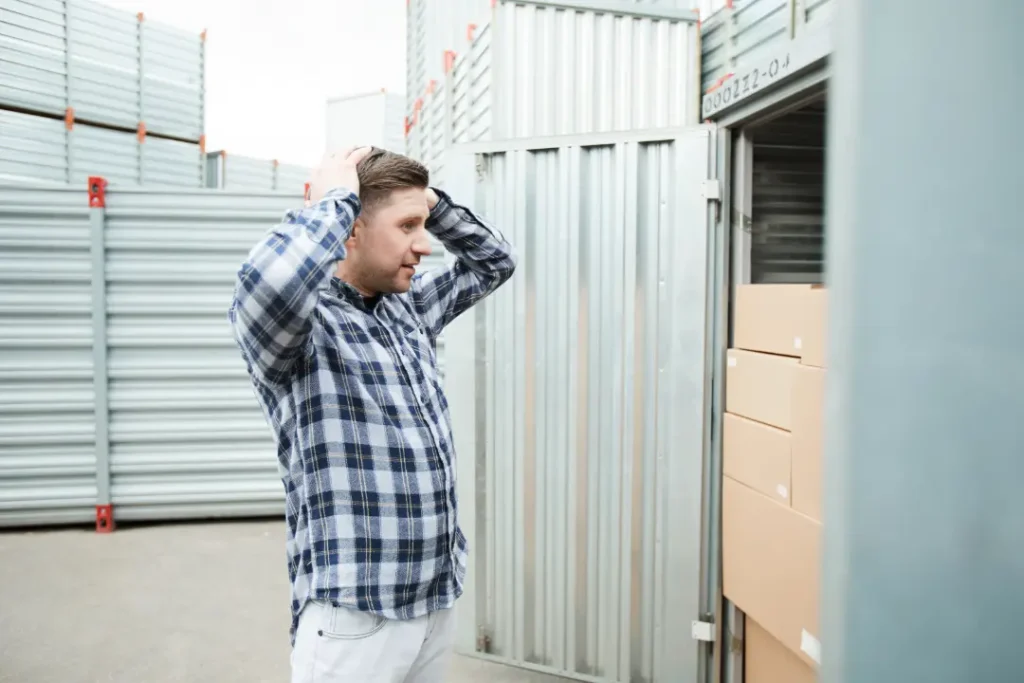
Safety Risks of Prohibited Items
Banned items can cause fires, health risks and environmental damage. Flammable substances may ignite, toxic materials can leak and contaminate other belongings, and some items attract pests. These dangers threaten customers, staff and the building itself.
How Legal and Insurance Rules Shape Storage Restrictions
Legal rules and insurance policies heavily influence what can be stored. Laws ban certain items to prevent crime and protect public safety; insurers often require facilities to enforce these bans to avoid liability. Both operators and customers need to understand these implications to avoid fines, denied claims or other legal problems.
Which Hazardous Materials and Flammable Goods Are Banned?
Hazardous and flammable items are commonly barred from storage because they pose immediate danger to people and property. Keeping these materials out of units reduces the chance of fire, injury and costly damage.
Examples of Hazardous Materials Not Allowed
Typical hazardous materials you cannot store include:
- Chemicals: Pesticides, solvents and strong cleaning agents that can be toxic or reactive.
- Batteries: Particularly lead-acid or damaged batteries that may leak acid or cause fires.
- Gasoline and Fuels: Highly flammable liquids that can vaporise and ignite.
These items are dangerous and can expose storage operators to serious legal and financial liability.
Reasons Flammable Goods Are Prohibited in Storage Units
Flammable goods can easily start fires that spread quickly in a storage facility. Items such as propane cylinders, fireworks and certain paint products are examples; they increase the risk to other customers’ belongings and to staff. For everyone’s safety, facilities typically refuse them.
What Perishable and Wet Items Are Not Permitted in Storage?
Perishable and damp items are typically not allowed because they damage other property and attract pests.
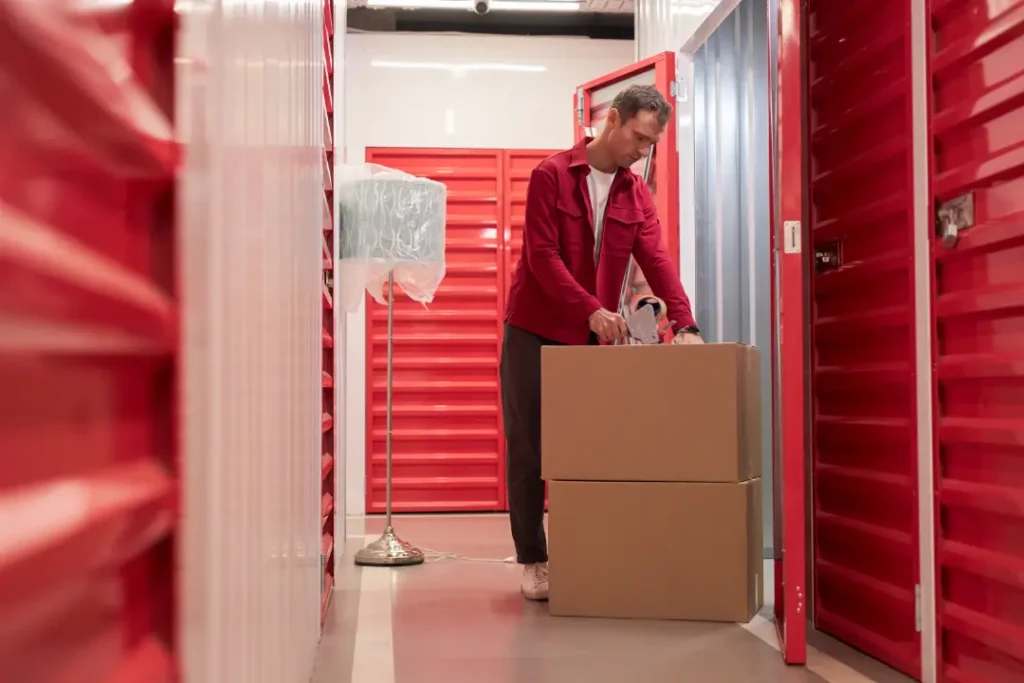
Damage and Odour Risks from Perishable Goods
Food and other perishables rot, smell and draw pests. Spoilage can contaminate neighbouring items and create costly cleaning bills for the facility.
Wet Items to Avoid Storing
Plants and items that retain moisture encourage mould and mildew, which can ruin boxes and nearby belongings. Keep anything damp out of storage to protect your own things and other customers’ property.
Which Illegal and Stolen Goods Are Forbidden in Self Storage?
Storing stolen or illegal items is strictly forbidden. This rule keeps the facility lawful and protects everyone who uses it.
Legal Consequences of Storing Illegal Items
Keeping illegal goods can lead to criminal charges, heavy fines and police involvement. Storage operators may involve the police if they suspect illegal activity. Customers storing prohibited items still risk serious consequences.
How MIGHTY Self Storage Handles Prohibited Illegal Goods
MIGHTY Self Storage states that illegal items should never be stored in a unit. This helps keep the facility safe and supports compliance with the storage agreement.
Are Living Things and High-Value Items Allowed in Storage Units?
Living things and certain high-value items are generally unsuitable for standard storage units for ethical, practical and insurance reasons.
Reasons Animals and Plants Are Prohibited in Storage
Animals and most plants need care and conditions that a storage unit can’t provide. Storing them can create welfare and health issues, so it’s not permitted.
Rules for Storing High-Value or Sentimental Items
Many facilities advise against storing valuables (like jewellery or cash) and irreplaceable sentimental items. Make sure they’re properly insured and stored in an appropriate unit, for example, a climate-controlled unit or an individually alarmed unit, to reduce risk.
How Does MIGHTY Self Storage Ensure Safety and Compliance?
MIGHTY Self Storage prioritises site safety and security through practical measures designed to protect customers and their belongings.
Security Features That Reduce Prohibited-Item Risks
MIGHTY Self Storage uses 24/7 CCTV, individually alarmed units, and controlled access (entry code/key card) to prevent unauthorised entry and reduce the chance of prohibited items being stored on site.
Frequently Asked Questions
What Should I Do If I Accidentally Store A Prohibited Item?
If you realise you’ve put a prohibited item in your unit, tell the site team straight away. They can advise the safest way to remove or dispose of it and help you avoid safety or legal problems. Acting quickly is important; don’t try to hide the issue.
Can I Store My Vehicle In A Self-Storage Unit?
Vehicle storage is usually available, but rules vary by site. MIGHTY Self Storage offers vehicle storage in Leicester. Check availability and any site requirements before you move it in.
Are There Any Restrictions On Storing Furniture?
Most furniture is fine to store, provided it’s dry and clean. Avoid putting in wet, infested or damaged pieces that could spread mould, pests or smells. If you’re unsure about a specific item, ask the site team for guidance.
How Can I Ensure My Items Are Safe In Storage?
Pick a reputable facility with good security, consider climate control for sensitive items and take out suitable insurance. Pack items properly, label boxes and use pallets or shelving where possible to keep belongings off the floor.