
Choosing the right packing materials preserves belongings and reduces risk and cost. In this guide, we explain durable, affordable, and sustainable packing options, offer practical selection tips for different item types, and outline how MIGHTY Self Storage supports customers with packing advice for secure storage.
Proper packing not only safeguards your possessions but also streamlines the storage process, making retrieval easier and more efficient.
What Are the Most Durable and Affordable Packing Materials for Storage?

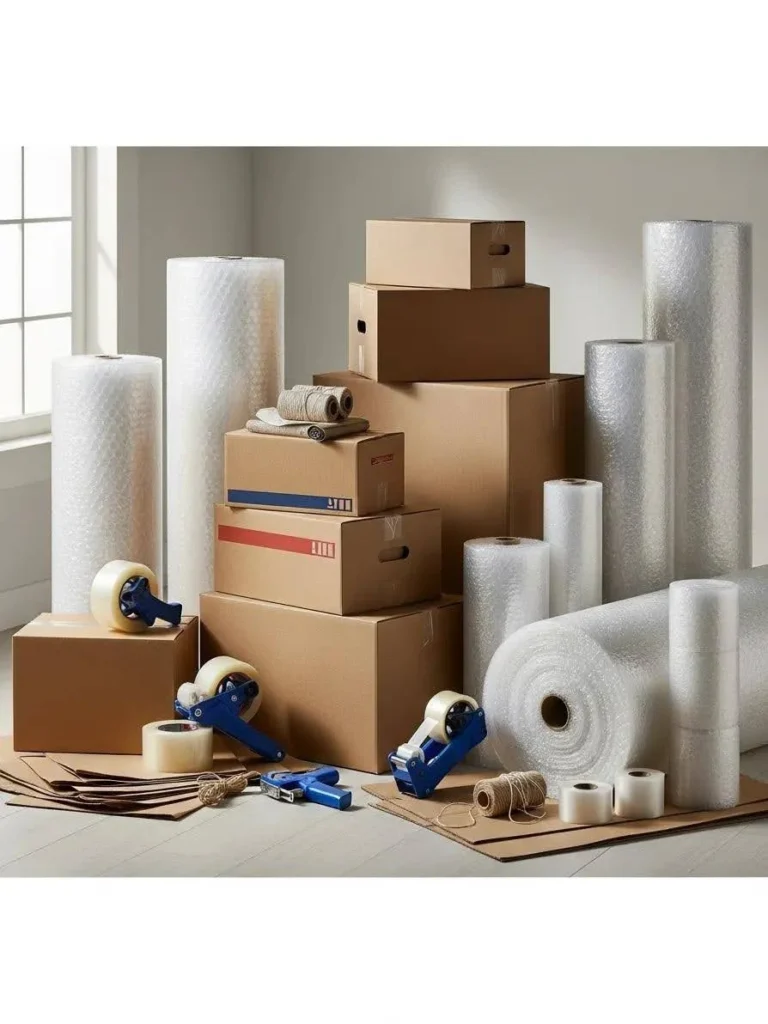
Durability and cost are key. Heavy-duty moving boxes, bubble wrap, and packing paper give protection against handling and impact. Standard cardboard boxes and good packing tape are cost-effective staples available from many suppliers; buy in bulk to lower unit cost.
Investing in quality materials upfront can prevent costly damage and replacements later, making it a smart choice for both short-term and long-term storage needs.
How Durable Packing Materials Protect Stored Items
Durable materials help reduce physical damage and keep dust away. Moisture-sensitive items may need sealed containers or protective covers. Sturdy boxes resist collapse, while bubble wrap and foam absorb shocks.
For fragile goods like glassware and electronics, higher-quality supplies greatly reduce breakage risk and are a worthwhile investment.
Affordable Moving Boxes and Supplies That Offer the Best Value
Prioritise strength and ease of handling when choosing moving boxes and supplies. Select boxes that balance sturdiness with manageable weight and consider bulk purchases to save money. The following options offer reliable value:
- Cardboard Boxes: Available in multiple sizes and versatile for most items. Look for double-walled boxes for heavier or more fragile items to ensure extra protection.
- Packing Tape: Use strong adhesive tape to secure seams and flaps. Reinforced tape options provide added durability during transport and storage.
- Bubble Wrap: Slightly pricier but provides superior cushioning for fragile items. Consider using different bubble sizes depending on the fragility of the item.
Compare specs and prices to find supplies that meet protection needs within budget. Remember that sometimes spending a little more on quality materials can save money by preventing damage and loss.
How to Select the Right Packing Supplies for Different Storage Needs?
Match materials and methods to item size, weight, and fragility. Delicate items need extra cushioning; heavy or large goods require appropriately rated boxes or crates. Make decisions based on how items will be handled and stored. For example, long-term or moisture-sensitive items may need sealed containers, covers, or extra wrapping.
Packing Materials for Fragile and Bulky Items
Fragile items do well with bubble wrap, packing peanuts, or foam to limit movement. Bulky items benefit from sturdy boxes or wooden crates rated for their weight. Proper packing technique and correct material choice keep items safe in storage.
Effective Packing for Archive and Business Storage Boxes
Organised packing preserves accessibility and protects contents. Use the following best practices to improve efficiency and retrieval:
- Label Each Box: Mark contents clearly on the outside, including dates and categories for easy identification.
- Use Uniform Box Sizes: Standard sizes make stacking and transport easier, reducing the risk of boxes tipping or collapsing.
- Fill Empty Spaces: Prevent shifting by filling gaps with packing material such as crumpled paper or foam inserts.
These steps maximise space and maintain order in storage areas. Additionally, consider creating an inventory list that corresponds with box labels to quickly locate specific items without unpacking multiple boxes.
What are eco-friendly and Cost-Effective Packing Options Available?
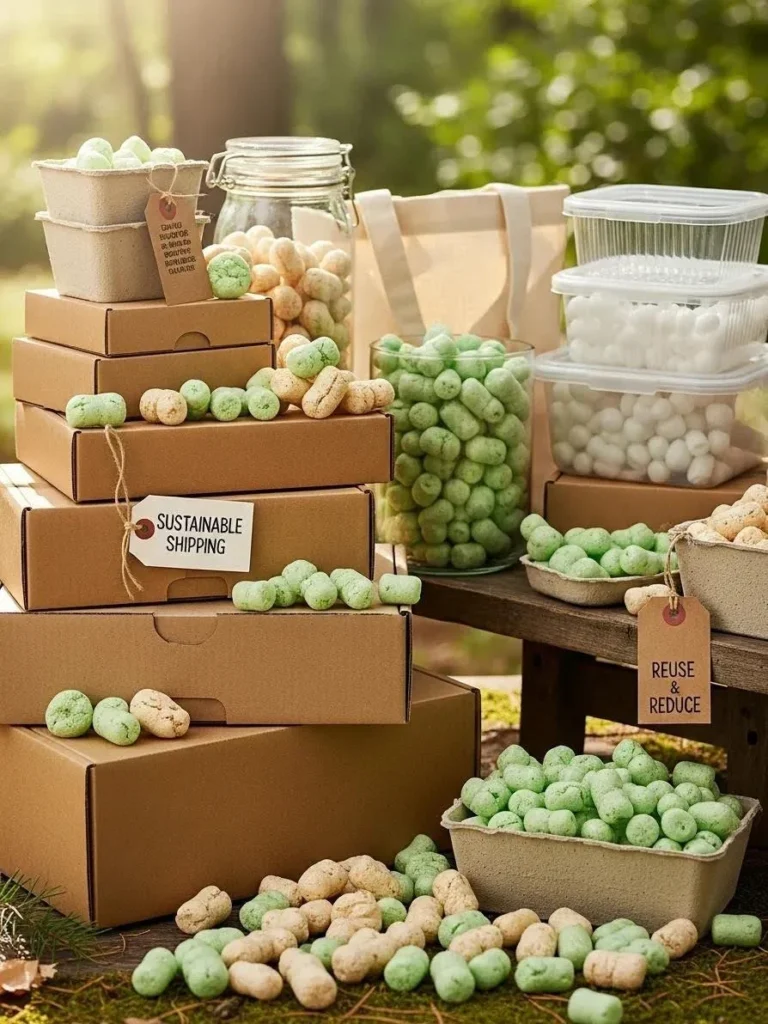
Sustainable packing choices can lower environmental impact and remain cost-effective over time. Selecting materials with smaller environmental footprints reduces waste while still protecting stored items. Many eco-friendly options are now widely available and can be integrated into a packing routine while still offering suitable protection for many items.
Sustainable Packing Materials That Reduce Environmental Impact
Options include biodegradable packing peanuts, recycled cardboard boxes, and reusable containers. These materials can reduce landfill waste and are commonly made from renewable or recycled sources, while still protecting many stored items.
Balancing Cost and Quality in Eco-Friendly Packing Supplies
Compare suppliers and consider lifecycle value to balance cost with quality. Durable, reusable materials often deliver better long-term value and support environmental responsibility without sacrificing protection.
For example, investing in sturdy plastic bins that can be reused multiple times may cost more initially but save money and resources over repeated uses. Always evaluate the total cost of ownership rather than just the upfront price.
How MIGHTY Self Storage Supports Your Packing Needs
At MIGHTY Self Storage, we understand that choosing the right packing materials is essential for secure and efficient storage. Our team can help you estimate the storage boxes, covers, and wrapping materials suited to your belongings. We recognise that every customer’s needs are unique, and we aim to help customers choose packing materials that suit their items.
We provide access to high-quality packing materials directly from MIGHTY Self Storage, including cardboard boxes, bubble wrap, wrapping paper, tape, protective covers, wardrobe cartons, and picture boxes.
This convenience helps you access key packing supplies to pack your belongings safely without extra trips or hassle. MIGHTY describes its packing materials as high quality and used by professional packing and removals firms.
Frequently Asked Questions
What should I consider when choosing packing materials for long-term storage?
When selecting packing materials for long-term storage, consider the durability, moisture resistance, and suitability for the items being stored. Opt for materials that can withstand temperature fluctuations and humidity, such as heavy-duty plastic bins or airtight containers.
Are there specific packing materials recommended for seasonal items?
Yes, when packing seasonal items, it’s best to use materials that provide protection against dust and moisture. Vacuum-sealed bags are useful for clothing and textiles, as they save space and help reduce mildew risk when items are clean and dry. For holiday decorations, sturdy plastic bins with lids can keep items safe from damage.
How can I ensure my packing materials are environmentally friendly?
To ensure your packing materials are environmentally friendly, look for products made from recycled or biodegradable materials. Many suppliers offer eco-friendly packing peanuts, recycled cardboard boxes, and reusable containers.
What are the best practices for packing electronics for storage?
Packing electronics for storage requires special care to prevent damage. Start by removing batteries to avoid leaks. Use anti-static bubble wrap or foam to cushion the items, and place them in sturdy boxes that fit snugly to prevent movement. It’s advisable to keep the original packaging if available, as it is designed for optimal protection. Label the boxes clearly and store them in a dry, stable environment to reduce exposure to humidity and temperature extremes.
How can I maximise space when packing for storage?
To maximise space when packing for storage, use uniform-sized boxes to create a more efficient stacking system. Fill empty spaces within boxes with packing materials like crumpled paper or bubble wrap to prevent items from shifting. Disassemble larger items, such as furniture, when possible, to save space.
What are the benefits of using professional packing services?
Using professional packing services offers several benefits, including expertise in selecting the right materials and techniques for your specific items. Professionals are trained to handle fragile and valuable belongings, reducing the risk of damage during packing and transport. They can also save you time and effort, allowing you to focus on other aspects of your move or storage.