
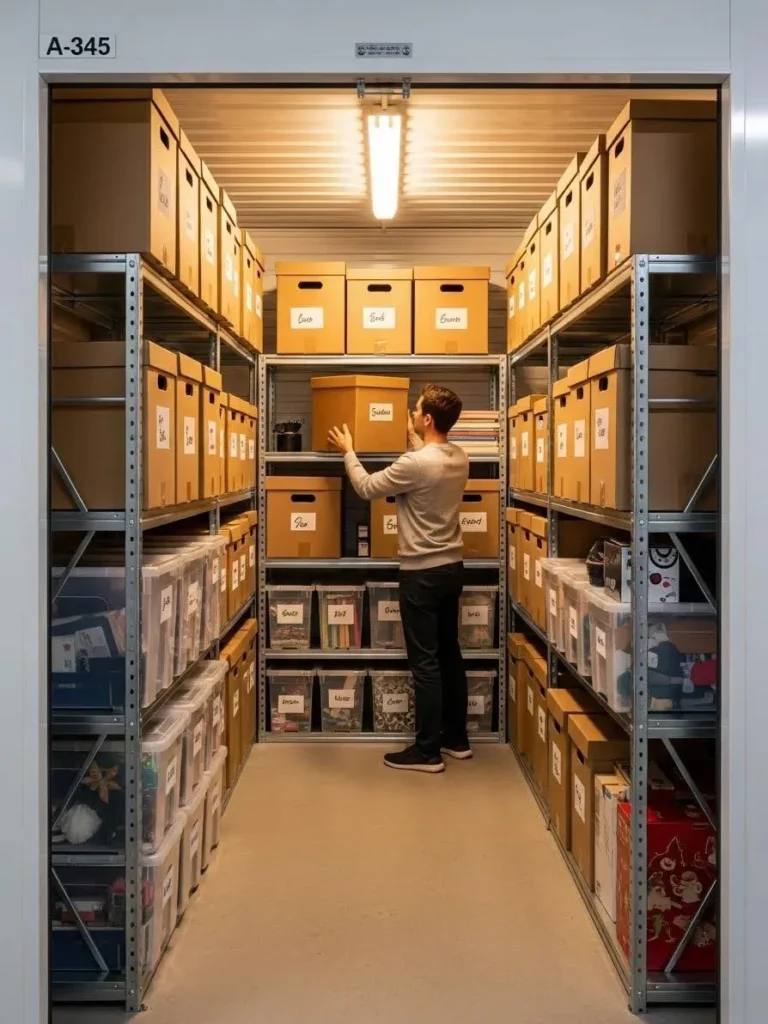
Good organisation turns clutter into a neat, accessible space. Today, this comprehensive guide offers simple yet effective tips to maximise your storage space, plan efficient layouts, select the right shelving and containers, and protect your valuable items.
Whether you are storing personal belongings, business inventory, or student essentials, these practical ideas will help you keep your unit tidy, functional, and easy to navigate.
Best Storage Unit Layout Ideas to Maximise Space
To make the most of your storage unit, it’s important to use both the floor and vertical space wisely, ensuring that frequently used items remain easy to reach. Start by measuring your unit accurately and creating a detailed list of everything you plan to store. This preparation will save you time and effort when you begin organising.
How to Plan Your Storage Unit Layout
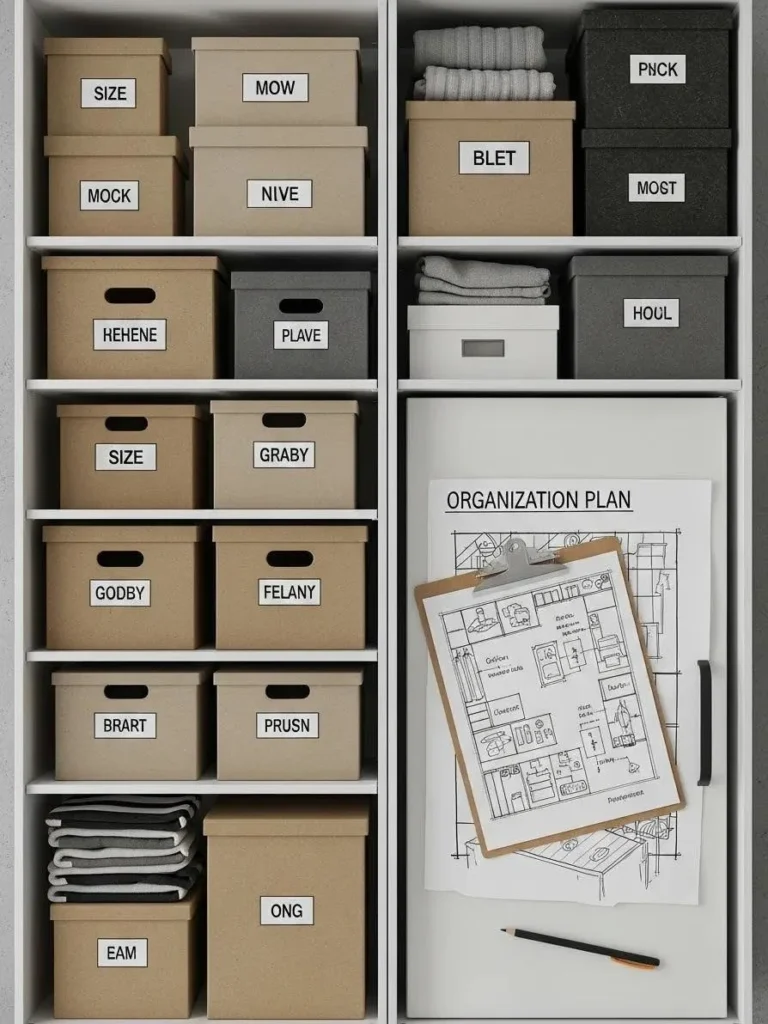
Careful planning is key to avoiding wasted space and unnecessary hassle. A well-thought-out layout not only helps you find items quickly but also keeps everything safe and secure.
- Measure Space: Accurately note the unit’s dimensions and any features such as pillars, vents, or electrical outlets that may affect placement.
- List Items: Categorize your belongings by size, weight, fragility, and how often you’ll need to access them.
- Draw a Plan: Sketch your unit’s layout, marking shelves, containers, and aisles. Position frequently used items near the door for easy access.
Following this approach will save you time, prevent damage to your belongings, and can even reduce costs by helping you avoid renting a larger unit than necessary.
Best Shelving and Containers for Efficiency
Choosing the right shelving and containers is essential for maximising efficiency and protecting your items.
- Adjustable Shelves: These allow you to customize shelf height to accommodate items of various sizes, making the most of vertical space.
- Stackable Containers: Using stackable bins helps save valuable floor space and keeps your unit organised.
- Clear Bins: Transparent containers let you see contents without opening, speeding up retrieval.
- Labelled Containers: Use clear, durable labels to identify contents easily and avoid confusion.
- Specialty Storage: For fragile or valuable items, consider padded or lockable boxes to provide extra protection.
Making thoughtful choices about shelving and containers not only protects your belongings but also keeps your storage unit neat and accessible.
How to Maximise Storage Space
Implementing space-saving methods can significantly increase your unit’s capacity without sacrificing accessibility.
Effective Space-Saving Techniques
- Vertical Storage: Utilize sturdy shelving units and stack bins safely to take advantage of height.
- Uniform Boxes: Packing similar items in the same-sized boxes makes stacking easier and more stable.
- Use Corners: Store bulky or infrequently used items in corners to free up central space.
- Disassemble Items: Taking apart furniture or large items can save considerable space.
- Multi-Functional Storage: Use furniture pieces that include built-in storage compartments to maximise utility.
Applying these techniques will improve your storage efficiency and can help you save money by reducing the need for larger units.
Benefits of Categorising and Labelling
- Easy Access: Grouping similar items together makes them quicker to locate.
- Save Time: Clear, consistent labels speed up the process of finding and retrieving items.
- Prevent Loss: Keeping labels and detailed lists helps you keep track of what you have stored.
- Better Inventory: Knowing exactly what’s in your unit helps you decide when to remove or replace items.
Use clear labels, colour coding, or a numbered system to organise your storage. Maintaining a digital inventory with photos can further enhance your organisation and ease of access.
Security and Access Tips for Safe Storage
Protecting your stored items requires good security measures and sensible access rules.
Key Security Features

When choosing a storage facility, look for these important security features:
- CCTV: Surveillance cameras deter theft and provide recorded evidence if incidents occur.
- Access Control: Keypads, key cards, or biometric systems limit entry to authorised users only.
- On-Site Staff: Having staff present can support a quick response to any issues and add an extra layer of security.
- Insurance: Ensure your items are covered against loss, theft, or damage through appropriate insurance policies.
- Good Lighting: Well-lit areas improve safety and discourage unauthorized access.
These features collectively help keep your belongings safe and give you peace of mind.
Managing Access and Protection
- Confirm Access Hours: Knowing entry times helps you plan visits and avoid arriving outside facility hours.
- Visitor Log: For business or shared units, maintaining a log of who enters and when helps monitor activity and identify any irregularities.
- Regular Checks: Periodically inspect your unit for signs of damage, pests, or moisture to prevent long-term issues.
- Secure Locks: Use strong, weatherproof locks to protect your unit from forced entry.
- Emergency Info: Familiarise yourself with emergency procedures and keep contact information handy.
Implementing these steps can help your items remain secure and in good condition throughout their storage period.
Business vs Student Storage Organisation
Different storage needs require tailored organisation strategies to maximise efficiency and convenience.
Business Storage Tips
- Inventory: Maintain clear, up-to-date records of all stored items to streamline operations.
- Document Storage: Use labelled, fire-resistant boxes to protect important paperwork and sensitive materials.
- Access: Store frequently used items near the front of the unit for quick retrieval.
- Security: Implement strict access controls and monitor valuable stock closely.
- Audits: Conduct regular inventory checks to ensure accuracy and prevent loss.
These practices help businesses maintain efficiency, security, and organisation in their storage units.
Student Storage Tips
- Pack Efficiently: Use vacuum-seal bags for clothes and bedding to save space and protect items.
- Multi-Use Furniture: Opt for beds, ottomans, or desks with built-in storage compartments.
- Use Vertical Space: Shelves and stackable bins help maximise floor space in smaller units.
- Easy Access: Keep frequently used items near the front for convenience during busy academic periods.
- Clear Labels: Simple, consistent labelling prevents confusion and speeds up finding belongings.
These tips are designed to meet the unique needs of students, making storage more manageable and efficient.
Why Choose MIGHTY Self Storage
MIGHTY Self Storage is dedicated to providing secure, convenient, and flexible storage solutions tailored to your needs. Whether you require short-term or long-term storage, personal or business units, MIGHTY offers a variety of unit sizes and features designed to keep your belongings safe and accessible.
With state-of-the-art security systems, including 24/7 CCTV monitoring, controlled access, and on-site staff, MIGHTY helps protect your items around the clock. Our clean, well-maintained facilities also provide climate-controlled options to safeguard sensitive items from extreme temperatures and humidity.
At MIGHTY Self Storage, we understand the importance of easy access and organisation. Our friendly team is ready to assist you in selecting the right unit size and offer expert advice on optimising your storage space effectively. MIGHTY Self Storage can help you manage personal or business storage needs.
Frequently Asked Questions
What items should I avoid storing in a self-storage unit?
It’s important to avoid storing perishables, hazardous materials, or live animals in your unit. These items can spoil, attract pests, or pose serious safety risks. Always check your facility’s list of prohibited items before storing to ensure compliance and safety.
How can I ensure my items are protected from damage in storage?
Protect your belongings by using moisture absorbers and facility-approved pest deterrents inside your unit. Pack items in sturdy, weatherproof containers to guard against environmental damage. Wrap fragile items carefully with bubble wrap or padding, and inspect your unit regularly to catch any issues early.
What is the best way to label boxes for easy identification?
Use clear, descriptive labels that include the contents and any special handling instructions. Colour coding can further simplify identification. Keeping a master list or digital inventory of box contents and their locations will speed up finding items when needed.
How often should I visit my storage unit to maintain organisation?
Visiting your storage unit every few months is recommended to check the condition of your items and maintain organisation. Regular visits allow you to remove unneeded items, reorganise as necessary, and ensure everything remains in good condition, helping you keep costs down.
Can I access my storage unit at any time?
Access policies vary by facility. Some offer 24/7 entry, while others have set hours of operation. It’s important to confirm access times before renting to ensure they align with your schedule and needs.
What should I do if I need to store large furniture items?
To save space, disassemble large furniture items whenever possible. Protect surfaces with blankets or padding to prevent scratches and damage. Store all parts together in labelled containers or bags to make reassembly easier when you retrieve them.