
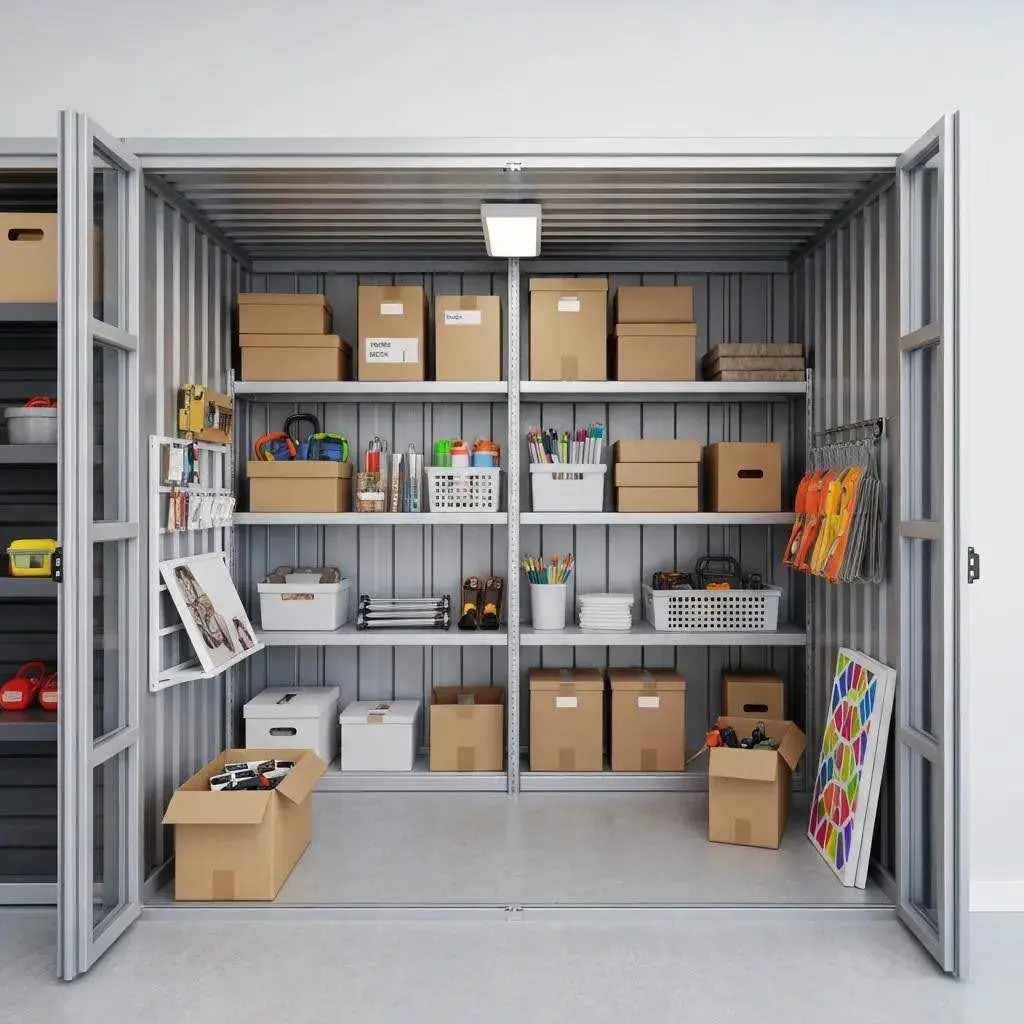
Running a business from a storage unit means using a secure, rentable space as a flexible base for inventory, a light workshop, a staging area, or vehicle parking. The biggest advantages are lower fixed costs and easy scalability.
This guide shows which businesses work well from a unit, explains how units cut overheads, and offers practical steps to set up fulfilment, tool storage, creative studios, and document archiving while staying compliant and secure. You’ll find layout suggestions, packing and inventory tips, and the policies to check so your operation runs smoothly.
Examples include e-commerce fulfilment hubs, tradespeople tool vaults, artist studios, and furniture upcycling workshops, with recommended unit sizes and security features. We also cover vehicle storage (cars, caravans, and motorbikes) when available, and the legal, insurance, and restricted-items checks to do before you commit.
Where relevant, the guide highlights how a local provider can support business customers with business-oriented storage services and easy online rental and payment.
Why Choose a Storage Unit for Your Small Business?
A storage unit gives you rented, secure space for holding inventory, light workshop tasks, or vehicle parking, while cutting commercial overhead and keeping stock out of living areas. Instead of signing a commercial lease, you can rent month-to-month and scale your space up or down as demand changes, which helps cash flow and lowers risk.
Modern facilities with CCTV, individual alarms, and included insurance reduce theft and damage concerns, making units a smart alternative to unsecured garages or shared premises. Good loading access, vehicle parking, and proximity to transport links also speed up operations, letting staff or contractors collect stock without long commutes.
Cost-effectiveness: much lower monthly rent than traditional shops or warehouse premises.
- Cost-effectiveness: Much lower monthly rent than traditional commercial premises.
- Flexibility: Short-term licences and a wide range of sizes let you scale quickly.
- Security: Site CCTV and individual alarms work together to help protect stock.
- Separation: Your unit keeps business activity and inventory separate from home life.
Those benefits set up the next sections on concrete cost savings and the security features that protect your stock.
Reducing Business Overhead Costs with Storage Units
Storage units lower overhead by replacing commercial rent, business rates, and many utility bills with a single, predictable monthly fee, freeing cash for growth or marketing.
For example, a small e-trader using a 25–50 sq ft unit for inventory and fulfilment can pay a fraction of what a small high-street warehouse would cost while keeping similar packing and dispatch access; that difference directly improves margins.
Short-term rentals let you scale for busy seasons without long leases or paying for unused space. You also save on heating, electricity, and cleaning compared with full commercial premises, and if the unit is close to transport routes, you can cut travel time for local dispatch.
Security Features That Protect Your Business Stock
Modern self-storage sites use layered security: 24/7 internal CCTV, individually alarmed rooms, and controlled site access create strong deterrence and an audit trail if anything happens. Individual unit alarms trigger alerts for unauthorised entry, while CCTV footage helps support insurance claims.
Where insurance is included, it removes one more administrative burden for small operators. Inside your unit, use a high-quality padlock, keep an inventory with photos, and fit shelving that secures heavy items to avoid accidental damage.
Regular stock audits and off-site backups of critical records complement physical security so your business can recover quickly and keep running. With the cost and security case made, the next sections show which businesses gain the most from units and how they use the space.
Which Businesses Benefit Most from Renting Storage Units?
Many small businesses treat storage units as a practical, low-cost extension of their operation, a secure, modular space for inventory, tools, finished goods, and equipment.
Business-focused options such as Business & Office Storage and E-Trader & Online Business Storage show how facilities cater to commercial needs with suitable sizes, fast access, and operational support. Here’s a short list of common business types that work well from units, and a quick note on how they use the space.
- E‑commerce & Online Retailers: Bulk inventory storage plus a packing and dispatch station to fulfil orders efficiently.
- Tradespeople (electricians, plumbers, carpenters): Secure storage for valuable tools and materials with quick access for jobs.
- Artists & Crafters: A separate studio for messy work and safe storage for finished pieces ready for sale or exhibition.
- Event Hire & Seasonal Businesses: Space to stage bulky props, furniture, and seasonal kits ready for regular rotation.
- Furniture Upcyclers / Resellers: combined workspace and staging area for refurbishing and photographing stock.
- Document Archive Services for Small Businesses: Off-site, indexed storage for records with secure retrieval.
Storage units for online retail inventory and fulfilment

Online retailers often turn a storage unit into a compact fulfilment hub by zoning areas for receiving, shelving, picking, and a small packing station. A practical layout puts bulk pallets or boxes at the back, shelves for fast-moving SKUs in the middle, and a workbench with packing supplies by the door for quick courier handovers.
This cuts handling time and speeds dispatch. Pairing the unit with digital inventory management (barcode scanning and stock updates) prevents overselling and makes it clear when to rent extra space. If your facility offers E-Trader & Online Business Storage, online rental and payment make it simple to expand ahead of peaks and avoid costly stockouts.
What Storage Solutions Do Tradespeople Need for Tools and Materials?
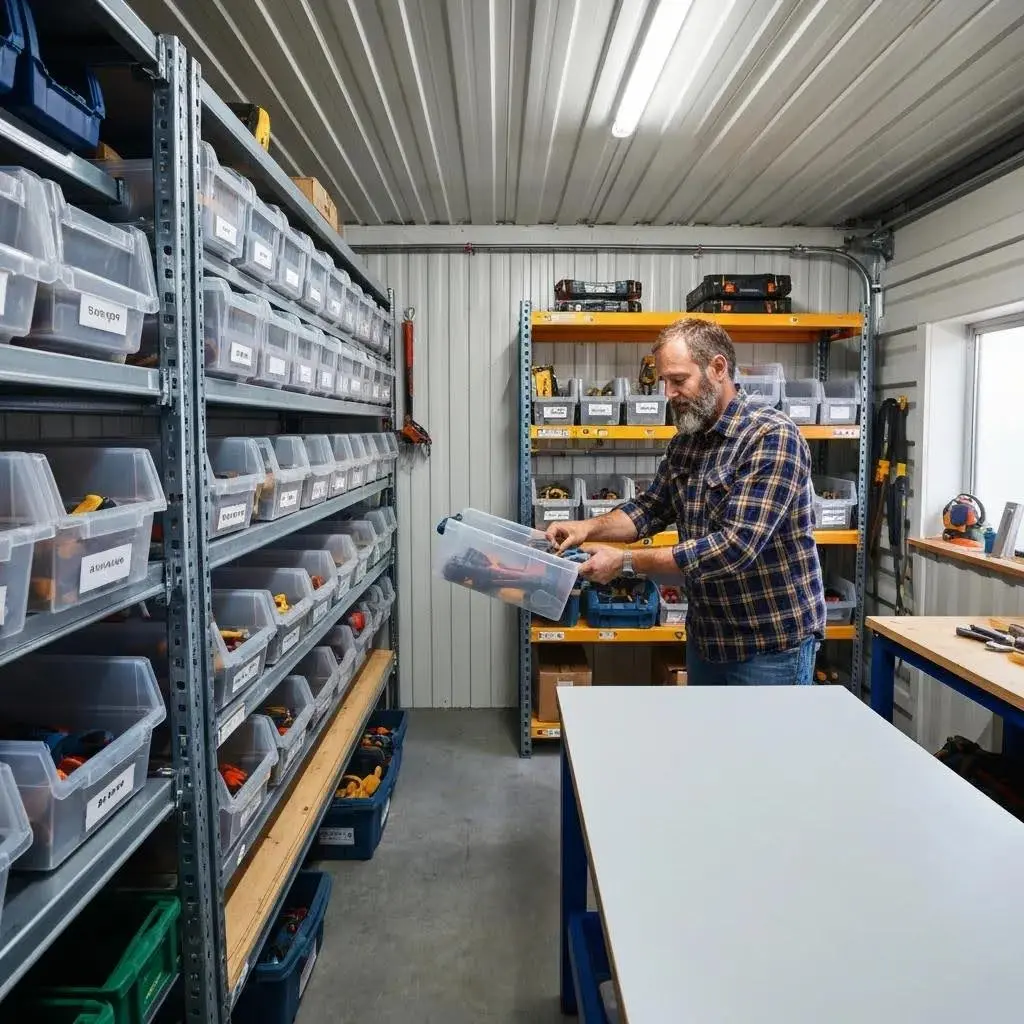
Tradespeople need storage that prioritises secure tool protection, organised consumables, and rapid access so they can meet job schedules. A good layout includes lockable tool cabinets near the front, labelled bins for consumables, heavy-duty racking for bulky materials, and a clear floor route for loading.
Vehicle proximity for quick transfers to vans or trailers is essential. Secure anchor points, inventory logs, and discreet storage for high-value items reduce theft risk, while staggered access and clear unit door signage help manage multiple users. Drive-up units and on-site parking are especially useful for contractors who need quick loading and occasional vehicle access.
How Can Creative Professionals and Event Planners Use Storage Units?
Creative professionals and event planners use storage units as affordable studio space, secure storage for finished work, and central staging areas for hire items, letting them scale without expensive premises. Units give a dry, controlled place for canvases, textiles, props, and lighting gear that would otherwise be at risk in damp homes.
Designers can also stage displays or photograph stock inside larger units for online listings. For sensitive materials (photographic prints, textiles, certain art media), insulated or climate-stable units help preserve quality. Event planners benefit from racked storage, labelled containers, and a pre-packed transport checklist to speed load-ins and load-outs during busy seasons.
- Label bins and shelves: Clear labels speed picking and staging for events.
- Use modular racking: Adjustable shelving adapts to changing kit sizes.
- Maintain a transport checklist: A standard checklist shortens load‑in times.
Benefits of Storage Units for Artists and Crafters
Artists and crafters get a place to separate messy or smelly activities from home, safe storage for finished pieces awaiting sale, and room for bulk materials that otherwise clutter studios. For humidity- or temperature-sensitive work (ceramics, framed art, printed textiles), insulated or climate-stable units reduce warping, mould, and pigment damage.
Units make it easy to scale: rent extra shelving or a larger unit for a busy season without taking on a long lease. Clear labelling and basic shelving help artists track commissions and ship work on time while keeping living spaces calm and uncluttered.
Storing Equipment and Seasonal Decorations for Event Planners
Event planners rely on rotation systems or schedules for bulky décor, lighting rigs, and furniture; storage units provide a central pick-up point that simplifies logistics across venues. Efficient setups use labelled crates, an inventory spreadsheet, and defined staging zones so teams load the right items quickly, reducing on-site time and transport costs.
Store off-season items deep in the unit and keep the seasonally active kit near the entrance for fast access. Paired with reliable on-site parking and loading access, these practices cut missed deliveries and last-minute hire problems.
What Storage Unit Options Support Furniture Flipping and Document Archiving Businesses?
Storage units can act as ventilated, organised workshop and inventory spaces for furniture upcyclers and as secure, indexed archives for business records, giving a flexible base for both hands-on and compliance-led enterprises.
For upcyclers, a unit with room to work, safe storage for paints and finishes, and a staging area for photography supports the whole sales workflow from refurbishment to dispatch. For document archiving, units offer off-site retention that reduces office clutter while keeping records under lock with controlled access for retrieval and compliance.
Choose unit features that match needs: enough space for large pieces, ventilation for workshops, and security plus indexing for archives. The table below helps you weigh cost, access, and preservation needs when choosing a unit.
| Unit Type | Size / Security / Access / Climate | Recommended Uses |
|---|---|---|
| Small (13 sq ft) | Low footprint, basic security, easy access | Toolboxes, inventory samples, small archives |
| Medium (25–50 sq ft) | Good shelving space, strong locks, flexible access | E-commerce stock, artist studios, trade tools |
| Large (150 sq ft) | Racking capable, higher security, vehicle access | Furniture staging, large event stock, vehicle gear |
| Climate-stable units | Insulation, moisture control, consistent temps | Photographs, textiles, sensitive finishes |
Using Storage Units as Workshop and Inventory Space for Furniture Upcyclers
Furniture upcyclers often set up a simple workflow inside a unit: a prep area for stripping and sanding, a controlled paint/finish zone with good ventilation, storage for raw materials, and a staging space for finished pieces waiting for photography or collection. Follow safety rules for flammable chemicals, use spill trays where needed, and keep clear routes to move heavy items.
Many operators use collapsible saw horses and wall-mounted shelving to maximise floor space. Good lighting and staging improve online photos and speed sales, while dollies and ramps make moving heavy items easier. Combining workshop and inventory in one unit cuts transport time and labour costs and keeps projects moving smoothly.
Importance of Secure Document Storage for Small Businesses
Secure document storage protects confidential records, supports legal retention schedules, and reduces office clutter while allowing indexed retrieval when needed. Best practice includes using clearly labelled, fire-resistant containers where possible, keeping an indexed log with retrieval tags, and storing sensitive files in climate-stable units to avoid mould or degradation.
Access controls, such as individual alarms and restricted keys, limit who can view or remove records, and appropriate insurance helps cover loss or damage. Regular audits and a documented retention policy ensure you only keep records for required periods, cutting unnecessary long-term costs.
Can Mobile and Vehicle-based Businesses Operate Using Storage Units?
Yes, mobile and vehicle-based businesses can use storage units by combining secure vehicle/RV parking with adjacent storage for equipment, parts, and staging areas. That frees up residential space and simplifies seasonal operations.
Mobile caterers, tour operators, and tradespeople using vans, caravans, or trailers can benefit from compound parking to reduce wear, perform short maintenance tasks, and load stock. Online rental and payment systems make reserving vehicle spaces and managing the stay length simple, reducing admin. Access to charging, maintenance, staging, and close loading areas further increases uptime for mobile entrepreneurs.
Mighty Self Storage Supports Mobile Business Storage Needs
Mighty Self Storage operates from South Wigston, Leicestershire, and provides business-focused options such as Business & Office Storage and E-Trader & Online Business Storage that suit mobile operators needing both parking and nearby storage. The site focuses on security and easy access.
Features like seven-day access, 24/7 internal CCTV, and individually alarmed rooms reduce friction, while included insurance simplifies risk management for vehicle-based businesses.
Online rental and payment let mobile entrepreneurs reserve vehicle spaces or units quickly and manage renewals without visiting an office, keeping administration light. Before booking, confirm parking dimensions and facility rules to make sure the space matches your vehicle and equipment needs.
What Legal and Practical Considerations Should You Know About Running a Business from a Storage Unit?
Running a business from a storage unit means you must check local zoning, facility terms, and insurance requirements because permitted uses vary by council and by provider policy. Many businesses operate from units, but confirm the facility’s terms and local planning rules, register your business properly, and ensure your insurance covers trade activities and the contents you store.
Follow health and safety guidance, store hazardous substances correctly, stack heavy items safely, and keep fire-safe layouts to protect people and assets. Keep clear records of stock, invoices, and access logs to support compliance and help if you need to make an insurance claim or respond to an audit.
Before listing prohibited items, the table below clarifies common restrictions and why they exist at many facilities.
| Item | Restriction Type | Reason / Facility Policy |
|---|---|---|
| Flammable liquids | Prohibited | Fire risk and legal safety constraints |
| Perishable food | Restricted | Spoilage, pests and contamination risk |
| Live animals | Prohibited | Welfare and biosecurity concerns |
| Illegal goods | Prohibited | Legal compliance and liability |
Legal Status of Running a Business from a Storage Unit in Leicester
Legality depends on your business activity, local zoning, and the facility’s terms, so treat storage-based trading as allowable only after checking with the site and the local authority. Practical steps include reading the facility’s terms and conditions, asking the council about planning requirements for your activity, and making sure your business insurance covers contents and trade risks.
Register your business with the right authorities and keep risk assessments and records. If you’re unsure, ask the facility for written confirmation of permitted uses and check with local planning officers whether a permit is needed.
Restricted and Prohibited Items in Business Storage Units
Facilities typically prohibit or restrict highly flammable, perishable, hazardous, or illegal items because they create fire, contamination, or legal risks that endanger other customers and the site’s insurance.
Commonly banned items include petrol, compressed gases, live animals, and perishable foods; restricted items might include certain chemicals or solvents that require declared storage and specific containment.
If you must store borderline items, get facility approval in writing and provide proper containment and documentation; otherwise, use specialist off-site storage that meets regulations. When planning your unit contents, compile a prohibited-items checklist and confirm acceptance with the facility to avoid unexpected removals or liability.
This practical overview should help you proceed confidently. If you’re ready to secure space, many providers let you reserve units and parking online. You can get a no-obligation quote to check availability and pricing before you commit.
Frequently Asked Questions
Can I Run a Service-based Business from a Storage Unit?
Yes, in many cases. Service businesses that store equipment (mobile mechanics, cleaning services, etc.) commonly use units for kits and supplies. You must follow local zoning and the facility’s rules, and most sites don’t allow client meetings or on-site services inside units. Always check the provider’s specific terms before you start.
What Are the Best Practices for Inventory Management in a Storage Unit?
Keep items organised and tracked. Use shelving, clear labels, and a written or digital inventory that records quantities and locations. Barcode scanning or a simple inventory app helps prevent stockouts. Regular stock audits and tidy zones for fast‑moving SKUs will speed picking and packing.
How Can I Ensure Compliance with Health and Safety Regulations in a Storage Unit?
Know local laws and the facility’s policies. Store hazardous materials according to guidelines, use suitable containers, and keep clear access routes. Inspect the unit regularly for hazards like blocked exits or unstable stacks. Document your safety procedures and run periodic checks to reduce risk and liability.
What Types of Insurance Do I Need for a Business Operating from a Storage Unit?
You’ll typically need property insurance for inventory and equipment, and general liability to cover third‑party claims. Check whether the facility offers insurance as part of the service and ensure any policy explicitly covers business use of the unit. Review exclusions and limits so your cover matches your risks.
How Do I Choose the Right Storage Unit Size for My Business?
Estimate current and projected stock, equipment, and workspace needs, including seasonal peaks. Small units suit minimal inventory; medium units (25–50 sq ft) work for many e‑commerce and creative businesses; larger units fit furniture or bulky event stock. Visit the site to visualise the space and ask staff for recommendations based on your requirements.