
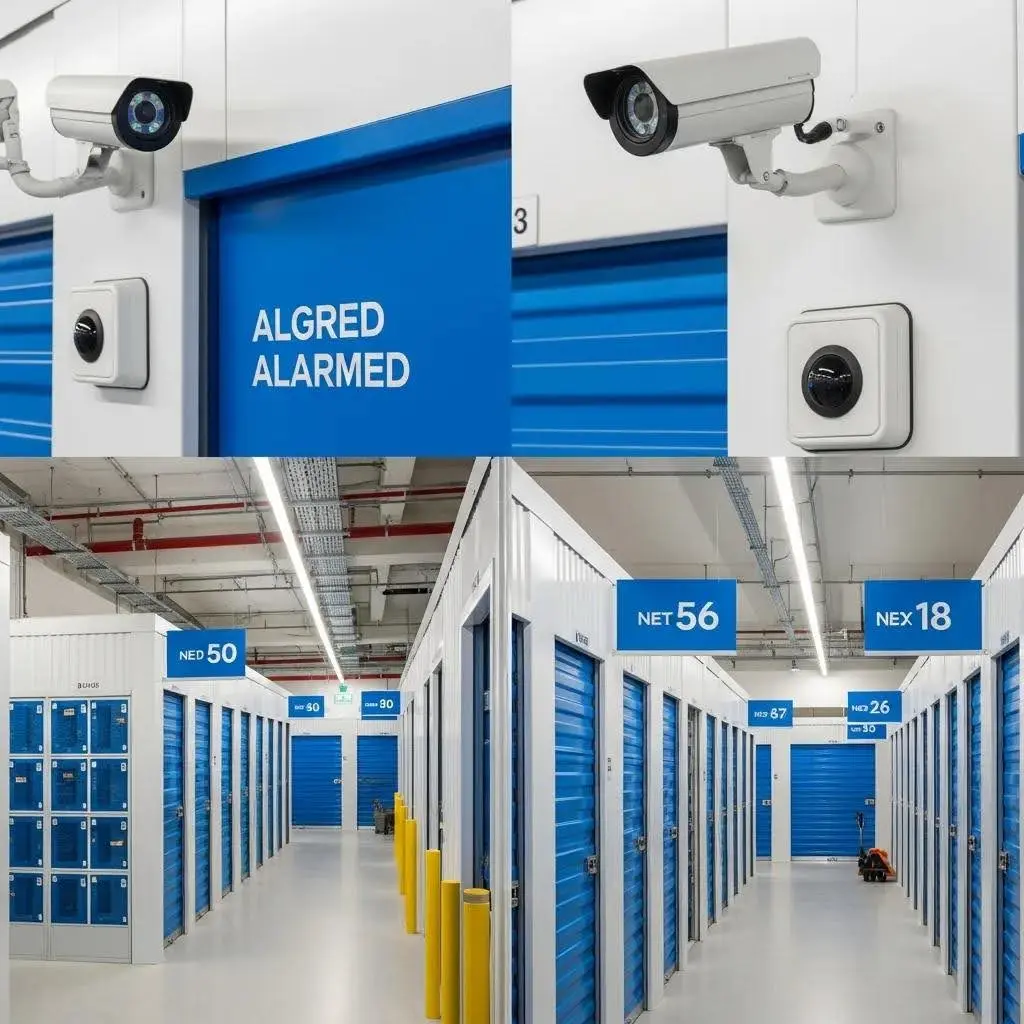
Ecommerce storage gives your online shop a secure, easy-to-access place to hold stock, pick orders, and scale without tying up your premises.
Today, this guide explains how local self-storage in Leicester supports ecommerce retailers, what to look for when choosing units, how security and sizing influence fulfilment workflows, how self-storage compares with fulfilment centres, and the steps to move in with a local independent provider.
Whether you’re a small online seller, a seasonal seller, or a growing retailer, flexible unit sizes, on-site packing supplies, and straightforward access help solve common challenges such as limited home space, demand spikes, and courier coordination.
Why Choose Mighty Self Storage For Your Ecommerce Business?
Online sellers choose a local self-storage partner when they want dependable security, a range of unit sizes, and simple access that keeps operations nimble and costs predictable.
At MIGHTY Self Storage, we combine practical safeguards, 24/7 CCTV, individually alarmed rooms, and included insurance, with on-site packing supplies and removals partnerships to streamline receiving and staging stock.
Together, these features make self-storage a sensible alternative to long warehouse contracts, especially for Leicester retailers who value convenience and competitive rates.
This section highlights the main benefits of using a local, independent provider:
- Robust security: Continuous CCTV and individually alarmed rooms help protect stock from theft and damage.
- Flexible sizes: A range from compact wooden containers to large steel units suits different inventory volumes.
- Value services: Insurance is included, plus packing materials and removals support to reduce logistics friction.
- Convenient location: Central South Wigston access and seven‑day opening make courier drops and owner visits straightforward.
Those features streamline receiving, storage, and dispatch. Next, we introduce practical unit sizing options.
Flexible Storage Unit Sizes for Ecommerce Inventory
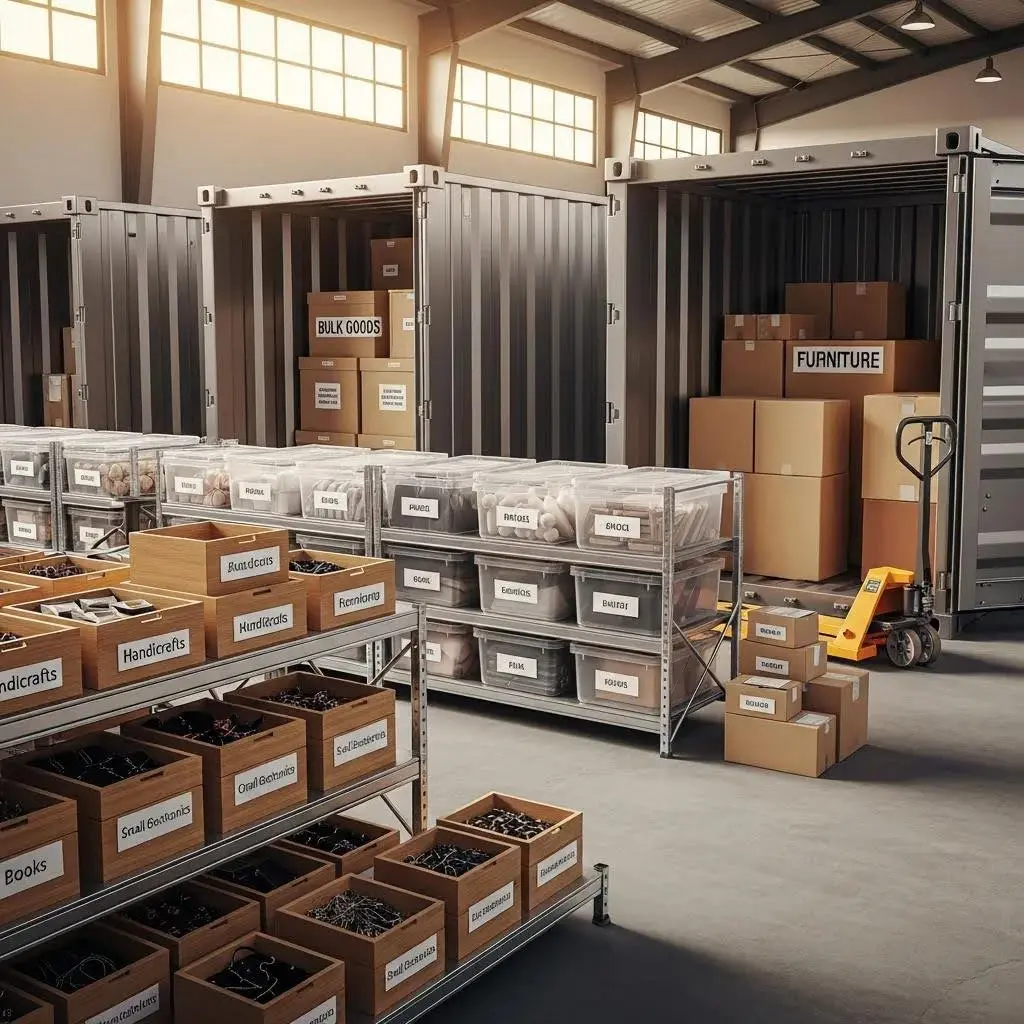
Below are common unit sizes and typical ecommerce use cases to help you pick the right footprint for stock, returns, and seasonal rotation. Sizes run from compact 13 sq ft units for accessories up to 150 sq ft for bulk seasonal merchandise.
Smaller wooden containers suit boxed goods and accessories; indoor or steel units work well for shelving and mixed SKUs; large steel containers handle palletised or bulky seasonal stock. Use these categories to align SKU counts and packing methods with your physical space and avoid paying for unused capacity.
| Unit type | Typical size range | Ecommerce use case |
|---|---|---|
| Wooden container | 13–35 sq ft | Accessories, spare parts, small boxed lines |
| Indoor/steel unit | 36–100 sq ft | Mixed SKUs, shelving systems, medium volumes |
| Large steel container | 100–150 sq ft | Bulk seasonal stock, palletised goods, overflow |
MIGHTY’s Security for Online Business Stock
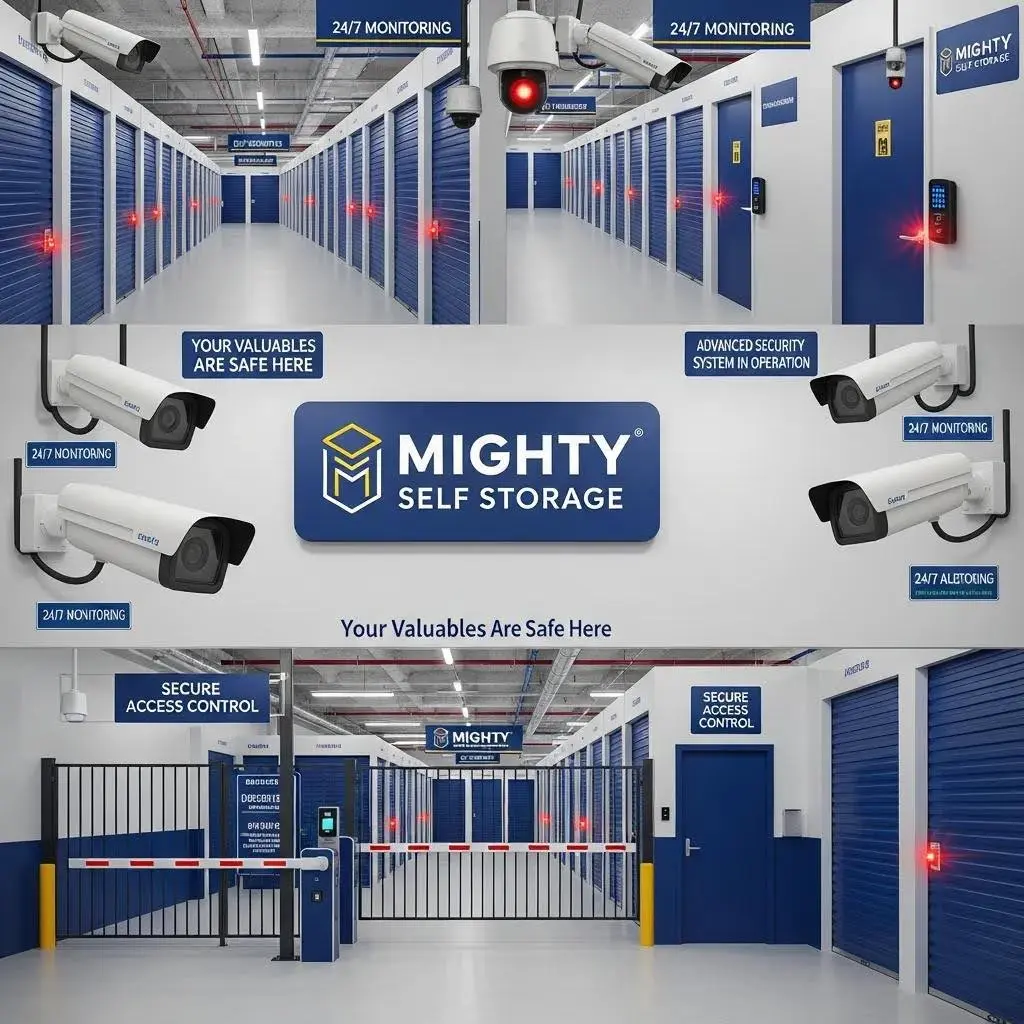
Security for ecommerce stock relies on multiple layers. At MIGHTY, we combine continuous CCTV, individually alarmed rooms, and personal access codes to limit entry to authorised users and record activity at access points and corridors.
Insurance included as standard helps transfer some risk without needing a separate policy, which simplifies cover for small operators. Together, these measures reduce the chance of loss and support dependable fulfillment for your customers.
Who Can Benefit From Ecommerce Self-Storage In Leicester?
Self-storage suits a broad range of online sellers by offering tailored space, sensible security, and access patterns that aren’t always possible with large warehouses.
Home‑based traders, marketplace sellers, and small‑to‑medium retailers benefit from the low‑commitment, pay‑as‑you‑go model that makes seasonal scaling straightforward.
Receiving couriers directly at the site and staging orders for dispatch are especially useful for businesses that pack and ship in‑house. These groups gain tighter operational control and lower fixed costs, so they can focus on sales and fulfilment rather than premises management.
The customer groups who use self-storage effectively include:
- eBay and Etsy sellers who want an organised pick-and-pack space without cluttering their home.
- Small to medium online retailers needing overflow or primary stock storage with month-to-month flexibility.
- Seasonal businesses that require secure short‑term space for peak periods.
These examples introduce the day-to-day tactics sellers use to keep orders moving.
Effective Self-Storage Use for eBay and Etsy Sellers
Small marketplace sellers get the most from storage by using simple systems: labelled shelving, clear SKU zones, and a dedicated packing station to speed picking and cut errors. Fast-moving items are kept near the access point, batch picking is used for multiple orders, and packing materials are stored on-site to avoid extra trips.
Accepting courier deliveries at the facility and staging outbound parcels by pickup slot reduces turnaround time and helps sellers present a professional service at a low cost.
Advantages for Small to Medium Online Retailers
Growing retailers benefit from predictable costs and easy scaling by renting units that match monthly inventory rather than leasing warehouse space. Monthly terms and transparent pricing make it simple to upsize or downsize with sales and seasonal forecasts, protecting cash flow.
Keeping stock off‑site also separates operational storage from customer‑facing areas, simplifying compliance and workplace organisation as the business grows.
Which is Better for E-Commerce: Self-Storage or Fulfillment Centres?How Does Self-Storage Compare To Fulfillment Centres For E-commerce Businesses?
Self-storage and fulfilment centres offer different strengths. Self-storage gives you direct control and typically lower fixed costs; you manage picking, packing, and courier handovers and avoid per-order fulfilment fees.
Fulfillment centres offer integrated pick-and-pack, returns handling, and courier integrations at scale, but they add fees and sometimes minimum commitments. Which is right depends on your order volumes, margins, and how much operational control you need.
Key points to compare:
- Cost structure transparent monthly space costs versus per‑order fulfilment charges.
- Control direct access and stock ownership versus outsourced handling and scheduling.
- Scalability on‑demand upsizing for ad‑hoc needs versus efficiency gains at high volumes.
Those differences highlight the cost and flexibility advantages of self-storage.
Cost Benefits of Self-Storage Over Warehousing
Self-storage lowers fixed overheads by avoiding long leases and lets you pay only for the space you use each month, which supports cash flow and reduces sunk costs. For smaller inventories, a monthly storage unit is usually cheaper than leasing warehouse floorspace and paying business rates or extra utilities.
Providers publish clear rates and offer competitive options across container types, so you can compare costs quickly and scale incrementally as sales grow.
Flexibility Differences Between Self-Storage and Fulfilment Centres
Flexibility with self-storage means personal access windows, quick unit changes, and the ability to receive deliveries directly, ideal if you need hands-on control. Fulfillment centres run on scheduled workflows and may limit direct access, but they bring automation and labour for high-volume fulfilment.
If you need to pivot for seasonal surges or special projects, the rapid upsizing and downsizing available with storage keeps you responsive.
How Can You Get Started With Ecommerce Storage At Mighty Self Storage?
Getting started is simple: choose a unit size, request pricing, reserve the space, and arrange move-in logistics. MIGHTY offers storage unit services for e-commerce businesses.
Having details like current inventory volume, typical parcel sizes, and expected rental duration makes our recommendation more accurate. The sections below explain how to request a quote and complete the online rental and payment flow.
Getting a Free Online Quote for Storage Units
Complete the storage enquiry form with basic details, intended use, approximate size, and expected rental length, and note any special requests, such as vehicle storage or removals help. We respond promptly with unit options, security details, and next steps for reservation or viewing.
Supplying SKU examples or pallet counts makes our recommendation more precise and speeds the process. A clear quote helps you compare unit types and plan logistics before committing.
| Step | Required information | Expected response |
|---|---|---|
| Enquiry submission | Intended use, size needs, and duration | Quote with suitable unit options |
| Follow‑up | Access, removals, and delivery needs | Advice and reservation guidance |
| Confirmation | Payment preference and arrival plan | Booking confirmation and access details |
A concise quote process speeds up move-in and helps you plan courier handovers efficiently.
Steps for Online Rental and Payment
The online rental process typically follows four clear steps: get a quote, reserve the unit, pay securely, and move in with access codes and insurance active. After you receive a quote, reserve the chosen unit and complete payment through our online payment options; the reservation confirms the space and starts the rental term.
On arrival, you’ll get personal access codes and guidance on padlock policy and insurance so your stock is protected from day one. Completing these steps quickly lets you begin staging inventory and scheduling courier collections without delay.
| Action | Duration | What to provide |
|---|---|---|
| Quote → Reserve | 1–2 days | Chosen unit size and contact details |
| Payment | Immediate | Payment details |
| Move‑in | Day of arrival | ID, vehicle details, and padlock |
Frequently Asked Questions
What Types Of Businesses Benefit Most From Self-Storage Solutions?
Self-storage is ideal for small to medium online retailers, seasonal traders, and home-based ecommerce sellers. These businesses often struggle with limited space and fluctuating inventory needs.
Storage offers flexible, scalable space you can access when required, without the long-term commitment of a warehouse. Marketplace sellers on eBay and Etsy frequently use storage to create organised pick-and-pack areas that speed fulfilment.
How Can I Ensure My Inventory Is Safe In Self-Storage?
Choose a facility with robust security: 24/7 CCTV, individually alarmed units, and controlled access. Including insurance simplifies risk management, and visiting your unit regularly and keeping an organised stock system will help you spot issues early. At MIGHTY Self Storage, we combine those layers to give small businesses practical, reliable protection.
Can I Access My Storage Unit At Any Time?
Access depends on the facility’s opening hours. Many providers, including MIGHTY Self Storage, offer seven‑day access, but some sites have restricted after‑hours policies. Check specific access rules when you enquire so you can plan courier deliveries and packing shifts around the site’s schedule.
What Are The Costs Associated With Renting A Self-Storage Unit?
Costs vary by unit size, location, and added services. Generally, storage providers publish clear monthly rates so you only pay for the space you need. Discounts for longer rentals or introductory offers are common. Compare sizes and services to find the best fit for your budget and expected volume.