

Running an online shop often means juggling stock, packing space, and reliable fulfilment while working from a spare room, garage, or small office.
In this article, we explain how warehouse and self-storage units are designed for e-commerce to deliver secure, scalable, and cost-effective space that streamlines inventory control, speeds order fulfilment, and protects margins.
You will learn the core benefits of using storage units, practical inventory organisation and fulfilment workflows, expected security and access features, and how storage supports seasonal peaks and long-term growth.
The guidance integrates practical examples for small Shopify-style sellers and marketplaces, covering unit size guidance, simple tracking methods, and operational checklists that fit an everyday seller’s budget.
Why Online Shops Should Use Warehouse Storage Units?
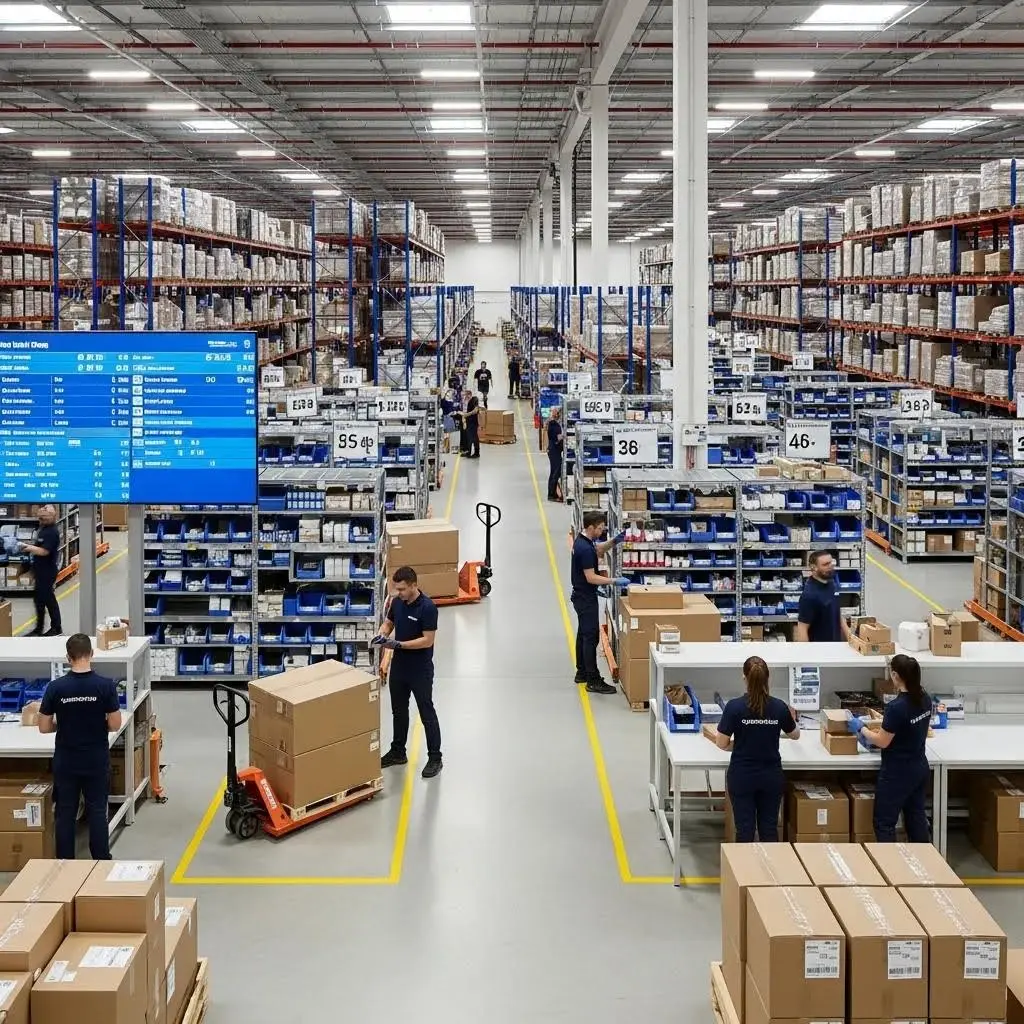
Warehouse storage units give online shops dedicated space to separate business stock from personal items, improve picking speed, and reduce errors through organised layouts.
They work by providing scalable, lockable rooms near transport links where sellers can install shelving, set up packing benches, and run predictable fulfilment cycles. This organisation reduces handling time and returns.
Key business benefits include lower overheads than leasing full warehouses, flexibility for seasonal peaks, and improved professionalism for couriers and customers. Below are the primary advantages and a brief comparison to home-based storage.
Warehouse storage units offer these core benefits for e-commerce sellers:
- Dedicated fulfilment space removes clutter and improves packing efficiency.
- Cost-effective scaling avoids long leases and helps reduce fixed overheads.
- Better organisation and staging cut pick-and-pack times and fulfilment errors.
These advantages make storage units a practical next step for sellers who need operational reliability without the cost of full warehousing. For local e-traders seeking such features, specialist E-Trader & Online Business Storage solutions can bridge the gap..
MIGHTY Self Storage provides E-Trader & Online Business Storage options with unit sizes suitable for small sellers, seven-day site access, and included insurance, helping local retailers in Leicester move stock into a secure, operationally useful space.
How Do Warehouse Storage Units Free Up Home and Office Space?
A storage unit frees up living and working areas by relocating pallets of stock, bulk packing materials, and seasonal inventory into a dedicated room, reducing clutter and improving safety at home.
Sellers often move shelving, sealed boxes, and spare packaging out of garages and spare rooms to create a calmer workspace for customer service and order processing.
The separation also helps with tax and insurance clarity, since business stock is kept on commercial premises rather than mixed with personal property. As a practical tip, label boxed stock by SKU and allocate a clear packing bench near the unit door to speed daily throughput and return that domestic space to household use.
This physical separation improves workflow and professionalism and leads to clearer cost comparisons with renting larger premises.
What Makes Warehouse Storage Units a Cost-Effective Alternative for E-Commerce Businesses?
Storage units reduce fixed monthly overheads because sellers pay for the exact footprint they need rather than a large leased warehouse with business rates and utility bills to cover.
Monthly flexibility means a seller can upsize for a seasonal campaign and downsize afterwards, avoiding the sunk cost of long leases. This is particularly valuable when selling via marketplaces with unpredictable demand.
Savings typically come from lower rent per square foot on smaller spaces, fewer property-related charges than a standalone warehouse, and included security and insurance that would cost extra in other setups.
When inventory volumes or daily pallet throughput exceed small-unit handling, moving to a dedicated warehouse may be more efficient, but storage units extend the viable scale for many growing online shops.
These cost benefits are why many small sellers treat storage units as an intermediate-scale solution between home-based fulfilment and full warehousing.
How Can Warehouse Storage Units Improve Inventory Management for Online Shops?
Warehouse storage units improve inventory management by providing a controlled environment for shelving, SKU zones, and rotation systems that reduce errors and stockouts.
Units let sellers implement simple but effective processes, clear labelling, vertical shelving, and a designated packing area, which together shorten pick times and provide reliable stock counts.
The following table compares common unit sizes with typical stock volumes to help match space to merchant needs; use the table to choose a unit that supports your SKU range and monthly dispatch volumes.
What Are the Best Practices for Organising Inventory in Storage Units?
Best practice starts with a simple layout that separates incoming stock, storage, picking, and packing into distinct zones to avoid confusion during busy periods.
Use vertical shelving to maximise capacity, keep fast-moving SKUs at waist height for quick picks, and apply clear SKU labels or colour zones to reduce search time during packing.
Maintain a basic inventory log, either a spreadsheet or simple stock management app, and reconcile counts weekly to spot shrinkage or mis-picks early. Consistent labelling and a FIFO (first-in, first-out) approach for perishable or time-sensitive items keep turnover predictable and reduce returns.
How Do Warehouse Units Facilitate Efficient Order Fulfillment?
A well-designed unit includes a picking aisle, a packing bench, and a short staging area for ready-to-collect or courier-ready parcels to minimise handling steps.
Efficient fulfilment uses batching: pick multiple orders for nearby SKUs in one pass, then move items to the packing bench for final checks, labelling, and sealing before staging for collection.
Prioritise a compact layout where courier vans can park or load quickly to reduce drop-off time, and keep essential packing supplies, tape, labels, and padding at hand to avoid interruptions.
Regularly review throughput and adjust shelf locations for top-selling items to shave minutes off each order, which scales into significant time savings across hundreds of dispatches.
A physical staging process accelerates handover to carriers and reduces mistakes that cause returns and extra costs.
What Security and Access Features Should E-Commerce Businesses Expect from Warehouse Storage?
Online sellers should expect layered security: perimeter control, site CCTV, individual alarms, and a secure access system, which together reduce theft risk and support insurance requirements.
These measures work by deterring unauthorised entry, recording incidents for evidence, and preventing tampering with individual rooms; insurers and high-value merchants often require such controls.
When evaluating providers, confirm what monitoring and access controls are included and whether insurance covers rented stock. Below is a concise checklist of typical security features to look for when choosing storage for online inventory.
Common security and access expectations:
- 24/7 internal CCTV monitoring covering unit corridors and loading areas.
- Individually alarmed rooms that provide an extra layer of protection.
- Pin-controlled access systems that log entry times for accountability.
The table below summarises typical security components and the protection they provide.
| Feature | Coverage | Benefit |
|---|---|---|
| Internal CCTV | 24/7 coverage of corridors | Deters theft and provides incident evidence |
| Individual Alarms | Per-room activation | Prevents unauthorised access to specific units |
| Access Control | PIN/code entry logs | Audit trail of who accessed the facility |
| Insurance | Often included or available | Financial protection for stored inventory |
These combined measures reduce risk and make insurance claims clearer if incidents occur. The next subsection explains CCTV and alarms in practical terms.
How Do CCTV and Alarm Systems Protect Online Shop Inventory?
CCTV and alarms protect stock by deterring theft, creating time-stamped evidence, and integrating with access logs to trace incidents, which is especially important for high-value or high-volume sellers.
Continuous recording preserves footage for any investigation and supports insurance claims by showing whether the loss was due to forced entry, water damage, or another covered event.
Individually alarmed rooms add a last line of defence: even if someone enters the site, a triggered room alarm alerts site management or security services quickly. These features together reduce shrinkage and give buyers and couriers confidence that stock is stored on secure premises.
Understanding these protections helps sellers assess true security value rather than just headline price.
Why Is Flexible Access Important for E-Traders Using Storage Units?
Flexible access aligns storage with fulfilment schedules so sellers can pick, pack, and dispatch on demand, including weekend or evening peaks during promotional periods.
Regular seven-day site access enables morning picks for same-day courier cut-offs and supports weekend listing surges without disrupting customer service. Convenient parking and loading bays speed handovers, reduce turnaround time, and lower the risk of missed collections that delay deliveries.
For sellers who run flash sales or need rapid restocking, predictable access windows and easy load-in/out are operational multipliers that keep customer expectations on track.
Matching access hours to your fulfilment cycle is a simple way to reduce late dispatches and lost revenue from missed shipments.
How Can Warehouse Storage Units Support the Growth and Scalability of Your Online Shop?
Storage units support growth by offering a range of sizes and contract choices that let a seller expand capacity incrementally while testing demand for new products.
Starting in a micro or small unit lets you validate product-market fit; as volumes grow, you can move to medium units that include workspace for packing benches and staging.
Flexible month-to-month terms avoid long-term overheads during low seasons and allow quick upsizing for holiday peaks. The table below outlines contract-style options and how they support scaling decisions for seasonal and long-term growth.
Use this table to compare contract flexibility and operational benefits:
| Contract Type | Typical Term | Benefit |
|---|---|---|
| Month-to-month | 1 month | Maximum flexibility for seasonal peaks |
| Short fixed term | 3–6 months | Predictable cost during growth experiments |
| Longer term | 12+ months | Stability for steady high-volume operations |
Flexible terms reduce financial risk when demand falls and permit rapid upsizing when sales spike. The final two subsections give practical size mappings and seasonal contract advice.
What Storage Unit Sizes Are Ideal for Growing E-Commerce Businesses?
Unit sizes from 13 to 150 sq ft map to distinct seller stages: micro units suit sample or low-SKU sellers, small units support steady monthly volumes with basic shelving, while larger units provide room for packing benches and significant seasonal overflow.
A simple rule of thumb: if you are dispatching under 100 items per month, a micro or small unit is usually sufficient; between 100–500 items, a medium unit offers breathing room and workspace.
When planning, allow space for both stock and a packing bench; a unit with circulation space reduces handling errors and speeds throughput. Choosing the right size early avoids unnecessary moves and keeps operational disruption minimal.
These size decisions tie directly to your fulfilment cadence and the storage-and-picking ergonomics you want to achieve.
How Do Flexible Contracts Benefit Seasonal Inventory Management?
Flexible contracts let sellers upsize for predictable seasonal peaks, Christmas, Black Friday, or product launches, without committing to a year-long lease that is costly in the low season.
Month-to-month arrangements enable rapid downsizing when demand subsides, preserving cash flow and reducing storage spend during quiet months. This agility also supports promotional testing: scale inventory to meet a campaign and revert if uptake is lower than forecast.
For online sellers with pronounced seasonality, online business storage units are a practical hedge against overstocking and the fixed costs of traditional warehousing. Flexible terms therefore align storage costs with revenue cycles, improving profitability during fluctuating demand.
Frequently Asked Questions
Are Warehouse Storage Units Worth It For A Small Online Shop?
Yes, if you’re running out of space at home or in a small office, a storage unit can be a practical upgrade. It gives you a dedicated, organised space for stock and packing, reduces clutter at home, and lets you scale without committing to a full warehouse lease.
How Do Warehouse Storage Units Improve Order Fulfillment?
By moving stock into a storage unit, you can set up clear picking aisles, a packing bench, and a staging area for parcels. This reduces walking time, cuts picking errors, and makes courier handovers faster and more predictable.
What Security And Access Features Should I Expect From An E-Commerce Storage Unit?
Look for 24/7 internal CCTV, individually alarmed rooms, PIN or code access, and suitable insurance for your stock. Flexible, seven-day access and convenient loading areas are also important so you can meet courier cut-offs and handle busy sales periods.
Can Warehouse Storage Units Support Seasonal Peaks And Long-Term Growth?
Yes. Flexible contracts and a range of unit sizes mean you can upsize for events like Christmas or sales campaigns, then downsize in quieter months. As your business grows, you can move from micro units to larger spaces with room for packing benches and higher stock volumes.